

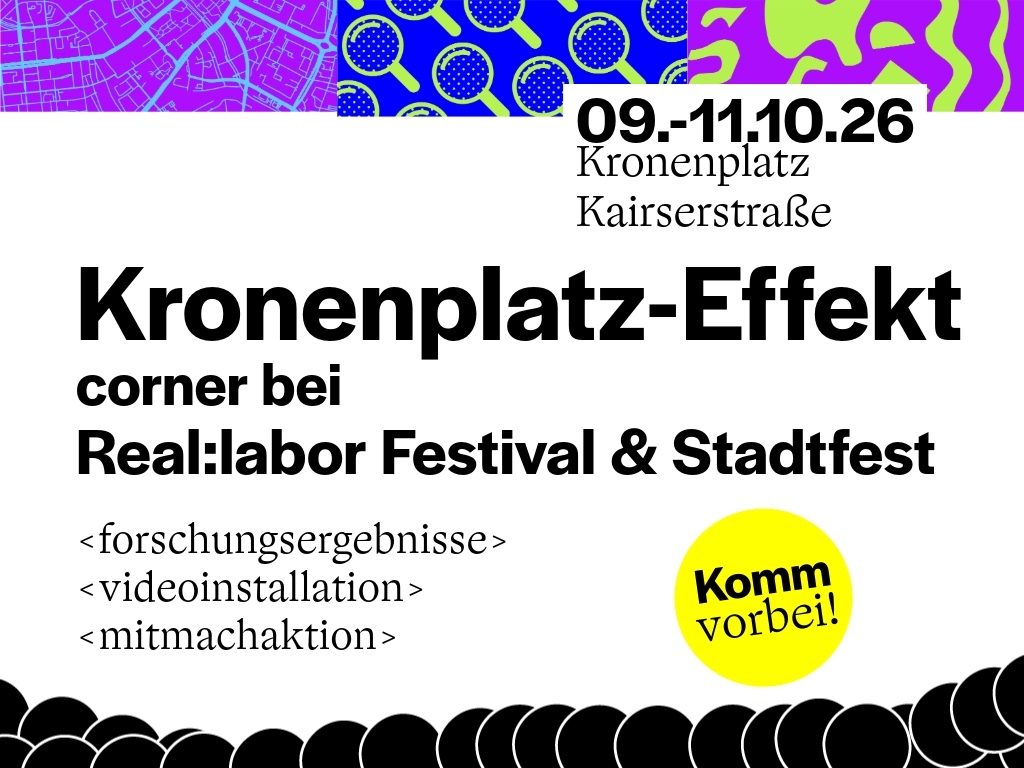
From 9 to 11 October 2026, our knowledge transfer initiative ‘corner <Science> to meet you!’ will be back at Kronenplatz. The event coincides with the opening of ‘KIT spark’ on 9 October and the Karlsruhe City Festival from 10 to 11 October. The event will feature insights into the latest findings from the 'Kronenplatz Effect' research project, the video installation 'Hot, hotter, city – We measure what you feel', and a range of hands-on activities. As a stop on the Real:labor rally, we at corner invite visitors to discover the hidden infrastructure and processes that keep our city running on a day-to-day basis.
📍 Kronenplatz, Karlsruhe
📅 9–11 October 2026
🕒 Fri 3.00 pm–7.00 pm, Sat 12.30 pm–6.00 pm, Sun 10.00 am–4.00 pm
Come along, join in and discuss with us about science, the city and society!

Temporarily repurposing parking spaces on Wilhelmstraße in the Südstadt to test just how liveable public space can be – that’s what our ra:ve project team set out to do. The ‘Raum für Veränderung’ (Space for Change) project took part in Park(ing) Day 2026, the international day of action on which street space is temporarily transformed into green oases with seating areas or playgrounds.
On this day, the ra:ve team transformed the car park in front of the project space into an open-air living room using tables, deckchairs and rugs, creating a space for dialogue, creativity and knowledge-sharing. The aim was to create a space where, in a relaxed atmosphere, a co-creative exchange could take place on the subject of the Südstadt research area:
🧱 To improve accessibility to our space, we worked together to build a ramp out of Lego
🔎 As part of our research, we spoke to lots of residents about the neighbourhood and what it’s like to live in Südstadt
🥗 The evening in the car park then drew to a close with a cosy dinner together.
We would like to thank all the visitors and participants who made Park(ing) Day 2026 possible for this lovely day.
Find out more
From 23 to 26 July, corner <Science> to meet you! was a guest at DAS FEST in Karlsruhe. Under the slogan ‘Hot, hotter, city – We measure what you feel’, corner brought the latest research on the urban climate and heat to life for festival-goers. The starting point was the Kronenplatz Effect research and intervention project. This project examines how highly heated public spaces can be transformed through temporary shading, greenery, and other cooling elements, and how these measures are perceived and utilized by local residents. An exhibition, an interactive video installation, and a thermal imaging camera illustrated how urban heat is generated, how it can be measured, and what role materials, urban planning, environmental conditions, and our everyday behavior play in this process.
Read the report

Larissa Brandenstein and Carolin Seiberlich, both doctoral candidates and research associates at the IfR, had the excellent opportunity to present their current research at the World Planning Schools Congress, which took place at Aalto University in Helsinki, entitled PERIPHERAL VISIONS - RETHINKING PLANNING. Carolin Seiberlich, an urban planner and researcher, presented her research in the special session on the energy transition in municipalities. Her research investigates enabling and hindering factors which occur during post-fossil transformations of the housing stock. She gave a presentation on the social phenomenon of energy poverty and its relation to energy efficiency driven retrofits. Larissa Brandenstein participated in the panel on Practices and Actors, presenting her research on the role of planner’s motivation shaping disaster risk reduction in Chile. Besides, she joined the roundtable “Planning for Whom or for What? The Uncomfortable Truth About 21st Century Motivations”.
Discover more
We are delighted that our graduate, Nicole Andrea Pernice, has been awarded the prestigious ARCADIS Award for Geo and Environmental Research 2026 for her Master’s thesis entitled 'Governance in Water Management in Cochabamba – An Analysis from the Perspective of Political Ecology'. This award recognises outstanding Master’s theses and doctoral dissertations completed at KIT institutes specialising in geo and environmental sciences. Entries for the prize should focus on the protection and sustainable management of soil and groundwater as georesources. In her work, Ms Pernice demonstrated impressively that technical solutions in water management should not be considered in isolation from the relevant social context. As a civil engineer and regional scientist, Ms Pernice generated new insights by thinking beyond disciplinary boundaries and demonstrating that the power dynamics she reconstructed have a significant influence on the water supply in her home town of Cochabamba, Bolivia. The award ceremony took place as part of the BGU Faculty’s graduation ceremony on 4 July. Congratulations!
More about ARCADIS Award
On 26 June 2026, during the Transformation Talks 4.0 in Essen, Germany, IfR research associate Anna-Barbara Grebhahn held a talk on 'New perspectives through real-world experiments — urban intervention for a culture of experimentation'. Her presentation provided an insight into the real-world laboratory research project 'ra:ve – Space for change' in the Südstadt district of Karlsruhe as well as into the real-world laboratory experiments at Werderplatz. Starting on 8 July 2026, the experiments will be carried out by IfR Master’s students in Regional Science/Spatial Planning as part of their research activities. 'Participating in the Transformation Talks 4.0 was an enriching experience', says Anna-Barbara Grebhahn: 'In addition to fascinating presentations and stimulating discussions at the World Café, we also gained insights into neighborhood projects run by the "Be-MoVe" real-world lab during an excursion and took a guided tour of St. Gertrud Church, which is part of "Manifesta 16 Ruhr". Many thanks to all the organizers for their hospitality and their curiosity about transformation processes at the intersection of art, the city, and science.'
Learn more
The article 'Money, meaning, and territory: family business groups and agro-extractive systems in Latin America', published in the journal Extractive Industries and Society by Maria-Dorothea Wolf (IfR), David Kornbluth Camblor (UCHILE), Manuel Bayón Jiménez (COLMEX), Michael Lukas (UCHILE) and Michael Janoschka (IfR), examines how family business groups connect and coordinate fragmented relationships within Latin America’s agro-extractive systems. Based on a comparative analysis of the Maggi (Brazil), Angelini (Chile) and González Hank (Mexico) business groups, the study shows that family business groups perform comparable coordination functions despite their differing organisational positions. Their significance lies less in their ownership of individual companies or infrastructure than in their ability to link material, institutional and symbolic relationships across territories and organisational boundaries. The article thus expands research on agro-extractivism by offering a new perspective on the coordinating role of family business groups.
Read the article

On 12 June, we gathered for the soft opening of our 'ra:ve – Raum für Veränderung' (ra:ve - space for change) project space in the Karlsruhe district of Südstadt. The inauguration of this venue marks a significant milestone in the teaching and real-world laboratory project, as we, as researchers, are now putting down deeper roots in the Südstadt district of Karlsruhe so that we can actively engage with the neighbourhood. Through ra:ve, we aim to collectively reimagine the Südstadt, exchange ideas and engage in dialogue with one another. We look forward to welcoming neighbours, community members, stakeholders and real-world lab researchers soon at Wilhelmstraße 16 during our opening hours! The IfR has been actively conducting urban research in the Südstadt district since 2022 and, as part of the courses 'Project seminar: transformative research in the neighbourhood', 'Sensing space: exploration and analysis of urban space' and 'Tools for urban research', trains the next generation of urban researchers on the Regional Science/Spatial Planning Master’s degree programme. The ra:ve project space is a new teaching and learning venue for students and the local community. With building number 01.89, the space is an official part of the Karlsruhe Institute of Technology.
More about ra:ve
The article 'Housing stratification and the politics of tenure: Socio-temporal inequalities in Leipzig' by Dennis Hof (BBSR/IfR), Michael Janoschka (IfR) and Marius Strohdiek (University of Leipzig) has been published in the journal European Urban and Regional Studies. The article examines the socio-temporal stratification of inequalities within the rental housing market itself, a topic that has received little attention to date. Particularly in a heavily regulated and rent-dominated context such as (East) Germany, common narratives – such as the binary opposition between owners and tenants, or the image of a ‘rental generation’ – fall short of capturing the subtle differences between long-established and newly arrived households, as well as between municipal, private and institutional types of letting. Based on a household survey conducted specifically in March 2023 in the Connewitz district of Leipzig (n=427), the authors use cluster analysis to develop a typology comprising four types of tenancy that range from stability to vulnerability, and demonstrate how, in addition to income, it is above all the interplay between tenancy type and tenancy duration that shapes both the material and emotional experiences of living. The study thus provides a more nuanced analytical framework for regulated rental housing markets undergoing dynamic transformations driven by investment and asset prices, a framework that is applicable beyond Connewitz as well.
Read the article
Dr. Aysegül Can will be speaking at the webinar 'Cities and the authoritarian turn' on Thursday 18 June 2026 from 1.00 pm – 2.30 pm, organised by the Political Geography Research Group and the Urban Geography Research Group of the Royal Geographical Society (RGS-IBG). The event explores what becomes visible when contemporary authoritarian tendencies are examined through the lens of the city, focusing on how urban spaces mediate, challenge, or reproduce authoritarian politics. The panel brings together researchers working on urban governance, political geography, and authoritarianism, and will include contributions from Jonathan Rock Rokem (Northeastern University London), Zita Seichter (University of Hamburg), Johann Braun (Goethe University Frankfurt), and Aysegül Can (KIT).
Find out more
The article 'Coping with financialisation. Understanding socio-emotional dynamics in urban housing markets' by Dennis Hof (BBSR/IfR) and Michael Janoschka (IfR), published in the journal Cities, examines how households in housing markets increasingly shaped by financial logic experience and cope with the socio-emotional consequences of rising property prices. Based on 70 qualitative interviews with residents in the Connewitz district of Leipzig, the authors have developed a typology comprising seven forms of housing management – ranging from non-profit housing organisations and collaborative housing projects to institutional investors and particularly aggressive ‘Dramatic Housing Transformers’. Conceptually, they expand on Desiree Fields’ concept of ‘unwilling subjects of financialisation’ by introducing the dialectic of ‘unwilling objectification’ and ‘contested subjectification’, and demonstrate that, under conditions of asset-price-driven financialisation, housing is constantly being renegotiated amidst structural coercion, ambivalent coping strategies and collective support networks.
Read the article
As part of its European tour, CORNER is returning to Kronenplatz in Karlsruhe from 23 to 28 June. This mobile knowledge-sharing environment creates an open space for exchange, discussion and collaborative learning right in the heart of the city. The focus is on current societal challenges, such as the housing and energy crises, and on the question of how to shape sustainable and equitable urban futures.
Corner was already a guest at Kronenplatz back in September and October last year. As part of KIT Science Week and the Karlsruhe City Festival, the public space was temporarily transformed into a meeting place where science, urban society and culture came together in dialogue.
This year’s week-long programme includes exhibitions, workshops, panel discussions and creative hands-on activities on topics such as housing, urban development, energy supply and sustainable transformation. The events will take place throughout the week and are expressly aimed at anyone interested.
View the events calendar
The article “Disaster risk reduction in Chile: a typology of planning action” by Larissa Brandenstein, published in the journal *Planning Practice and Research*, examines the risk-reduction measures developed and implemented by urban planners in disaster-prone Chile, against a backdrop of institutional fragmentation, centralisation, scarce resources and the influence of economic actors. Drawing on qualitative interviews, the author identifies five types of action (Civic Caregiver, Loyal Leader, Resilient Firefighter, Strategic Professional, Transformative Idealist), which, to varying degrees, are primarily dedicated to strengthening community resilience, implementing structural measures, providing immediate disaster relief, and fostering both individual and organisational development.
Learn more

From 24 to 29 April 2026, IfR and ITAS are bringing ‘corner <Science> to meet you!’ to Thessaloniki as part of the PREFIGURE project, for a week packed with research and teaching activities. Interactive and interdisciplinary formats will focus on current challenges relating to housing and energy.
The programme includes, amongst other things, panel discussions, workshops, interactive mapping sessions and focus groups. The video installation *WE DON'T HAVE CHERRIES* will also be on display in Thessaloniki.
The highlight of the event is the public discussion ‘Housing in Crisis: From “There Is No Alternative” to Housing in Thessaloniki’ on Saturday 25 April 2026, featuring academics and civil society representatives. The aim of the week is to work together to develop knowledge for fairer and more sustainable urban futures.
More about the event

In collaboration with the EU research project PREFIGURE, our knowledge transfer platform ‘corner’ is touring seven European cities this summer.
The tour features content from the project, which is coordinated by the Karlsruhe Institute of Technology (KIT) and highlights the link between the housing and energy crises.
In PREFIGURE, eight partners from academic and non-academic institutions are investigating models for the transition to a socially just energy supply in the rental housing stock.
The tour will stop off in Sofia, Thessaloniki, Barcelona, Amsterdam, Copenhagen, here in Karlsruhe and in Tallinn.
Together with our local partners and other project participants, there will once again be public events on the topic and opportunities for discussion at the respective locations.
Discover more
From 24 to 29 April, corner, our mobile laboratory for transformative urban research, will be in Thessaloniki together with ITAS, Aristotle University, the European University EPICUR and the Institute for Regional Science. For a week, researchers, students and members of the public will once again use the opportunity for public discussion and the exchange of knowledge on pressing issues relating to climate change, the energy crisis and housing, with a view to an inclusive and sustainable future. The highlight will be the event "Housing in Crisis: From 'There Is No Alternative' to Housing in Thessaloniki" on 25 April 2026.

Our scientist Aysegul Can can be heard in a podcast: Are we witnessing a new conjuncture in urbanism? This podcast episode explores whether authoritarian neoliberalism is giving rise to a more overtly illiberal model of urban governance. While neoliberalism has long contained authoritarian elements—from Pinochet to Thatcher—today’s context may signal a shift. Earlier phases relied on technocratic market rule, framed through sustainability, participation and consensus. Emerging urban projects, however, appear less concerned with markets, climate action or democratic norms, prioritising large-scale real estate ventures despite social and ecological costs. Hosted by Gareth Fearn with Jason Luger, Miklós Dürr, Aysegul Can and Oksana Zaporozhets, this episode concludes a three-part series on authoritarian neoliberal urbanism.
To the podcast episode
On 12 February 2026 from 2 pm - 3.30 pm, Dr. Giezen from the University of Amsterdam (UvA) will give a lecture entitled "Towards a deeper understanding of up-scaling in socio-technical transitions: The case of energy communities". Join this event which is part of the "Transformative Cities" lecture series by the EPICUR European University Alliance and explore how leading scholars from EPICUR partner universities address today’s most pressing urban challenges. Through an interdisciplinary lens, the series examines climate change, sustainable development, socio-ecological justice, and emerging post-neoliberal models, including land financialization and energy communities. Hosted by the Karlsruhe Institute of Technology with partners in Thessaloniki, Strasbourg, Freiburg, and Vienna, the hybrid lectures invite participants to reflect, connect, and shape resilient urban futures.
Discover more
The article “Freiburg’s New Parking Regulations: Parking Concepts as a Key to Integrated and Cost-Effective Housing Development” was published in the December issue of PLANERIN. In it, IfR research associate Larissa Brandenstein, together with Dr Peter Schick (City of Freiburg), analyses the reduction of car parking spaces in residential development projects in favour of sustainable modes of transport and lower construction costs. The article also presents the methodological approach used in revising the municipal parking regulations, which were adopted by Freiburg City Council in July 2025 and now serve as the basis for all new residential development projects.
Find out more
The opening of our exhibition ‘Close-up: South City’ on 9 January 2026 was a complete success. On display were the works of eight master's students of regional science/spatial planning at KIT. As part of the seminar ‘Sensing Space: Exploration and Analysis of Urban Space’ in the winter semester 2025/26, the budding urban researchers are creating their own individual exploration logbooks. In these, they explore Karlsruhe's Südstadt from perspectives that playfully create access to emotional knowledge and make the invisible visible. As part of the interactive exhibition, small surveys will also be conducted, and all visitors can contribute their personal knowledge of the city to data sets on the topics of street furniture, visual communication, youth spaces, and traffic safety in the southern part of the city. Anyone who feels like exploring on their own afterwards can pick up an exploration toolkit in the form of a mini-zine at the entrance. We are delighted about this successful collaboration between GEDOK and the Institute for Regional Science and would like to thank all exhibition visitors for their interest.
More about the exhibition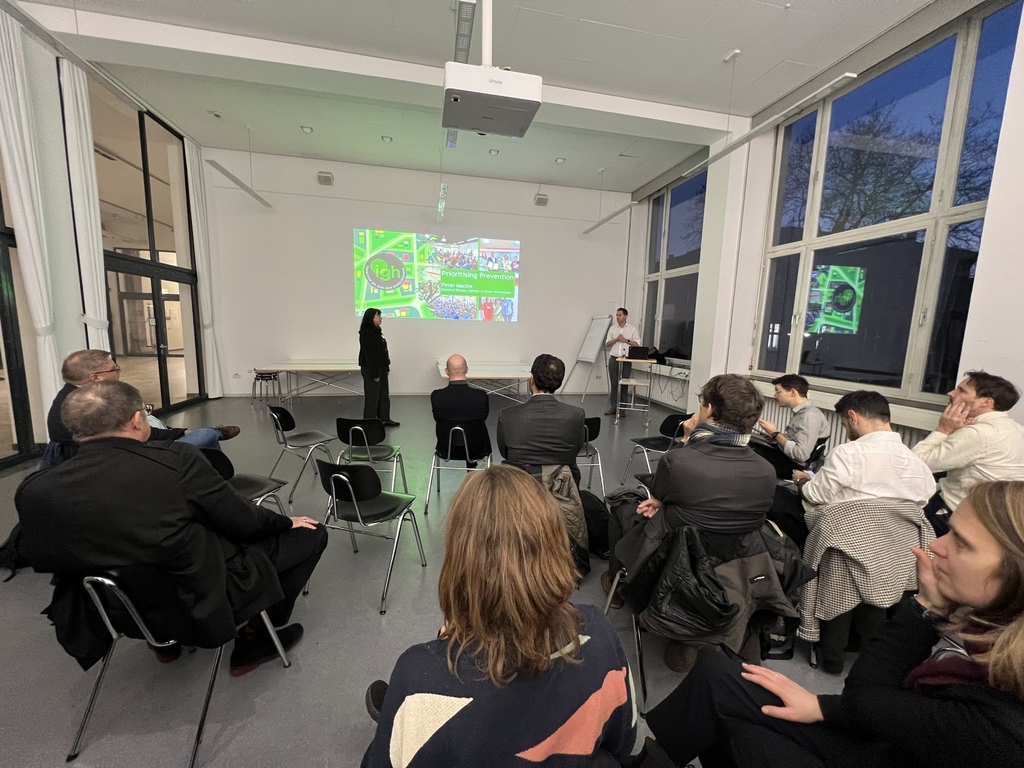
On 8 and 9 December 2025, the colloquium organised by the German Society for International Cooperation (GIZ) took place at TRIANGEL Karlsruhe. It brought together the French Interministerial Delegation for Housing and Access to Housing (DIHAL) and the Federal Ministry of Housing, Urban Development and Construction (BMWSB), as well as experts from France and Germany, to discuss innovative approaches to combating homelessness. IfR research assistant Carolin Seiberlich supported the organisation of the colloquium and presented initial research findings on cooperative housing acquisition in Karlsruhe, which were obtained as part of the EU Horizon project PREFIGURE.
Find out more
‘Close-up: Südstadt’ provides insights into the exploration logs of regional science/spatial planning students from the seminar ‘Sensing Space: Exploration and Analysis of Urban Space’. Snapshots, sketches and visual notes open up new perspectives on urban life, the design of public space and networks of Südstadt. Visitors are warmly invited to share their personal perspectives. They may take an exploration toolkit with them and set out for an exploration tour themselves. IfR research assistants Agnes Matoga and Anna-Barbara Grebhahn as well as the students of the course invite you to the vernissage on 9 January 2026 at 6:30 p.m. and to visit the exhibition at the GEDOK Künstlerinnenforum (Markgrafenstr. 14, 76131 Karlsruhe) from 10 to 20 January 2026. Opening hours:
Mon. - Fri. 5:00 p.m. - 7:00 p.m.
Sat. - Sun. 2:00 p.m. - 4:00 p.m.
Discover more
The second annual conference of the Visual Geographies Working Group took place in Leipzig, Germany at the end of November. In her presentation ‘Visions of the Future – Imagining Urban Spaces of Tomorrow’, IfR research assistant Anna-Barbara Grebhahn offered insights into a visual method developed as part of the 'Visions of the Future' project.
The theme of the conference was geography's engagement with questions concerning time. Presentations and workshops addressed questions such as: ‘How can visual geographies find answers to issues at the intersection of space and time?’ In addition to academic presentations, practical workshops were once again part of the conference programme.
More about the conference
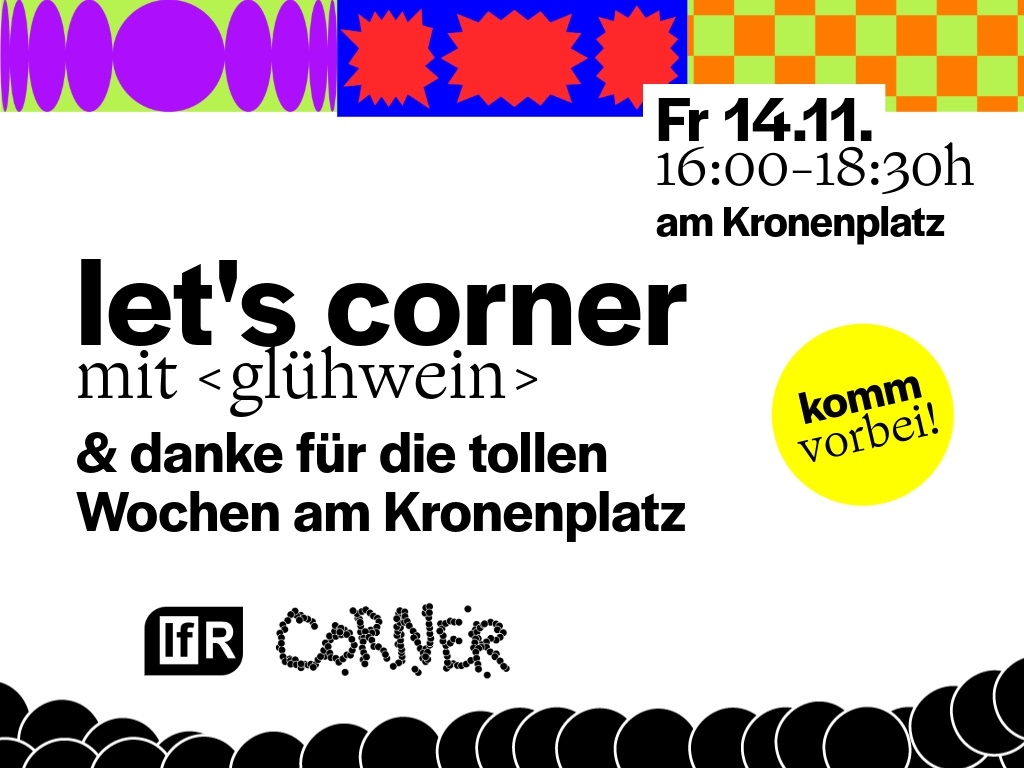
On Friday, 14 November 2025, we warmly invite you to drop by at <corner> on Kronenplatz from 4 pm. Chat with us about the housing of the future, science in public space, and what has been and what is yet to come. Over the past weeks, you have shared thoughts and ideas with us on fair housing, social perspectives in times of climate change, and what we can learn from each other. Before <corner> goes into its winter break and travels across Europe from April to June 2026, we would like to share this moment with you. Enjoy conversations and a cup of mulled wine. All those who have accompanied, supported or visited <corner> are welcome — and of course those who have not yet had the chance to drop by. <corner> is a project of the Institute for Regional Science led by Prof. Michael Janoschka and the Division IV — Natural and Built Environment at KIT.
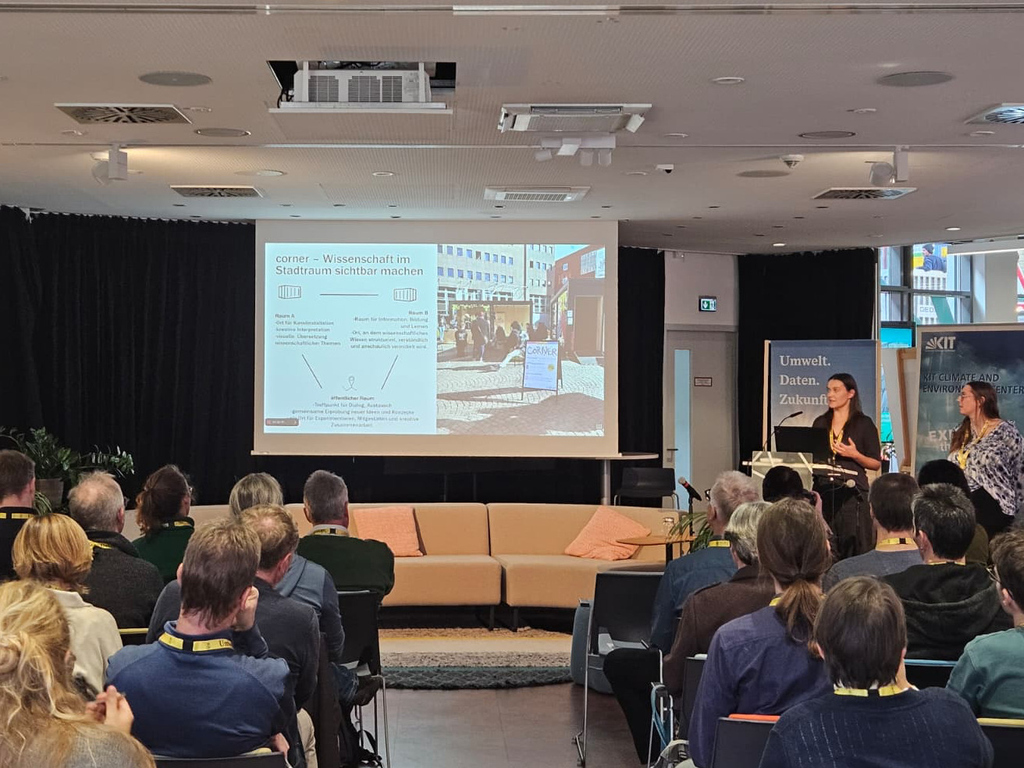
On 4 November 2025, IfR research assistants Agnes Matoga and Anna-Barbara Grebhahn presented the IfR's new knowledge transfer tool on behalf of the entire <corner> team at the event “Innovative Environmental Research in THE LÄND.” The workshop took place as part of a collaboration between the State Agency for the Environment Baden-Württemberg and the Karlsruhe Institute of Technology (KIT). The aim was to facilitate a joint exchange on current environmental issues and innovative solutions. In addition to<corner>, participants presented ongoing and planned projects, digital methods, and the use of AI in research. <corner> is a joint project of the Institute for Regional Science led Michael Janoschka and the Division IV - Natural and Built Environment of KIT.
<corner>, the new knowledge transfer environment from the IfR, is now bringing science and research to the heart of the city. <corner> will be presented for the first time as part of the Karlsruhe City Festival and just in time for KIT Science Week. From 10 October to 15 November 2025, <corner> will be located at Kronenplatz and can be visited by all Karlsruhe citizens. The supporting programme ‘How do we live? Now / in the future / together / in the city’ will accompany the first use of <corner>. There will be an exhibition on the EU research project ‘Prefigure’, including the video installation ‘WE DON’T HAVE CHERRIES’. Citizens can also drop by <corner> at any time to find out more about the rest of the programme. Creative hands-on activities on site will visualise the wishes of citizens and scientists for future living in the city. All programme items are offered free of charge.
Get to know corner!
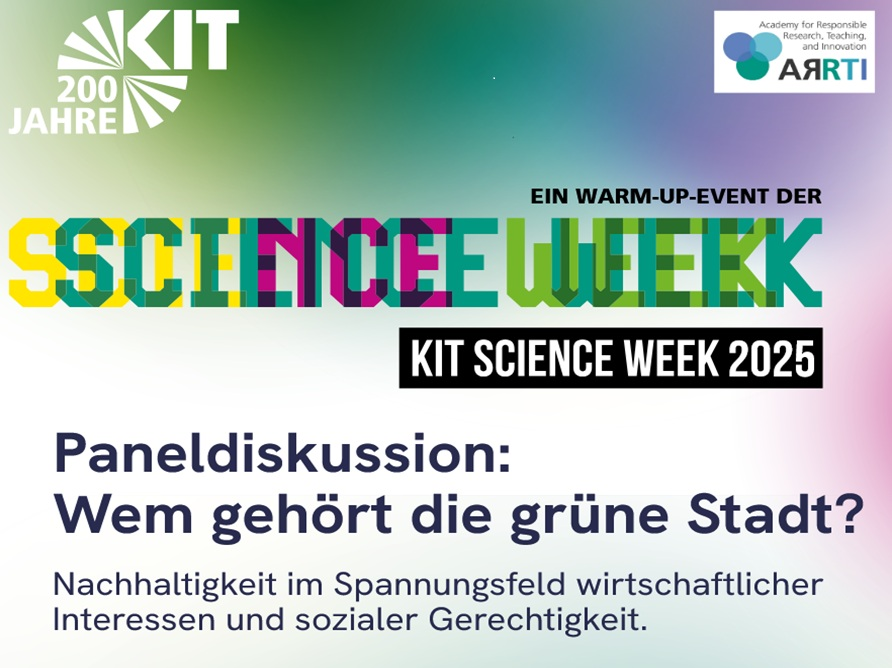
9 October 2025, 6:00 p.m. – 7:30 p.m., Triangel, Kaiserstrasse 93, Karlsruhe. Sustainable urban development is considered a model – but who really benefits, and who is left out? In a panel discussion, experts will examine the social and ethical dimensions of urban transformation between climate goals, market interests and participation. On the panel:
Prof. Dr. Christoph Bernhardt (Leibniz Institute for Spatial Social Research, Berlin); Prof. Dr. Michael Janoschka (KIT, Institute for Regional Science); Prof. Dr. Daniel Lang (KIT, Institute for Technology Assessment and Systems Analysis); Prof. Dr. Franziska Meinherz (KIT, Institute for Geography and Geoecology); Dr. Johannes Müller-Salo (University of Hanover, Institute for Philosophy); Moderation: Katharina Linnepe (Berlin). This event is part of the warm-up for KIT Science Week 2025 – more information at www.scienceweek.kit.edu
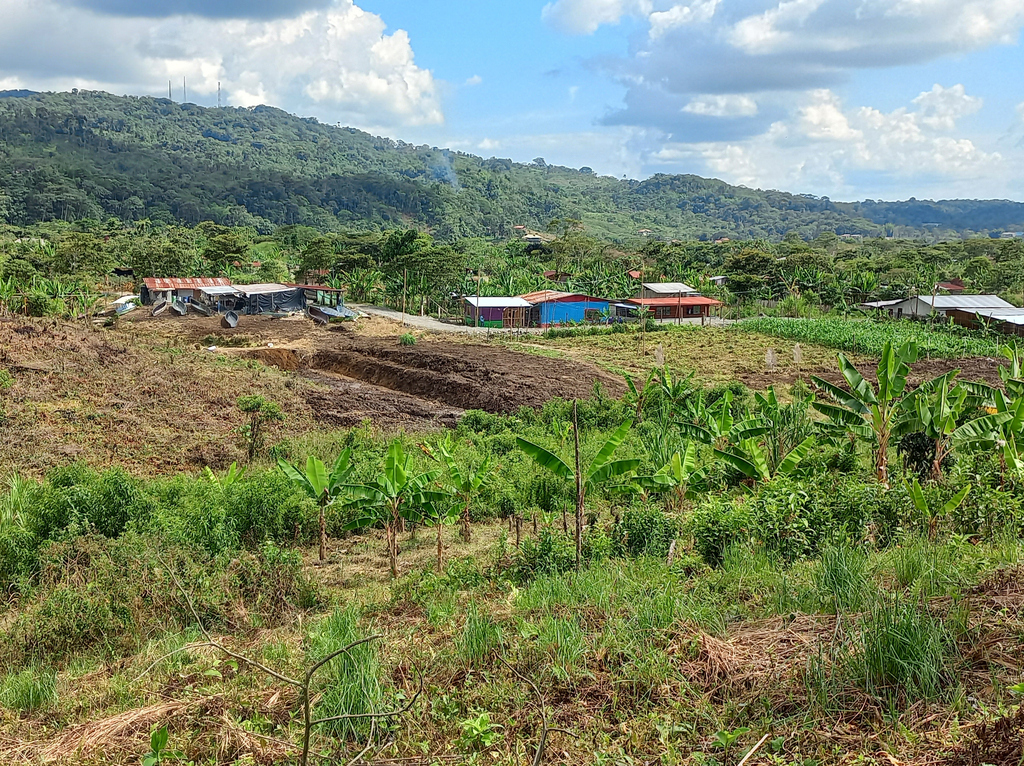
An article by Michael Janoschka and Manuel Bayón Jiménez entitled ‘Rethinking rent gaps from the Amazon: urban contestation and extractive frontiers in Ecuador’ has been published in the journal Urban Geography.
The article examines urban transformation processes on the margins of capitalist expansion in the Ecuadorian Amazon region. It focuses on the concept of the Amazonian Periurban Rent Gap (APRG), which combines political economy with postcolonial theory.
An analysis based on three case studies shows how different extractive development logics, urban conflicts and indigenous subjectivities shape urban peripheries – and how resistance to capital-driven urbanisation is articulated there. The article makes an important contribution to the further development of postcolonial urban research and expands the understanding of urbanisation beyond classical theoretical approaches.
Read the article
On 2 July 2025, Manuel Bayón Jiménez successfully defended his doctoral thesis on urbanisation in the Amazon region at the Karlsruhe Institute of Technology (KIT) under the title ‘Indigenous contestations at the frontiers of extended urbanisation and rentier capitalism in the Ecuadorian Amazon region’. The interdisciplinary work examines indigenous perspectives on urbanisation processes and extractivist megaprojects in the Amazon region and was awarded the highest distinction of summa cum laude. The dissertation is an example of committed, methodologically innovative research with strong links to local communities and global debates.
More about Contested Territories
Under the theme ‘City of the Future,’ researchers at KIT will spend a day presenting current topics in interdisciplinary urban and environmental research at KIT. The press tour on 25 September invites journalists to take an exclusive look behind the scenes of selected laboratories. In the run-up to KIT Science Week, experts will present their research on topics such as urban transformation, building with recyclable composite systems, flood protection solutions, and climate-neutral concrete. Discussions will be held on climate change and heat stress in cities. Michael Janoschka from the Institute for Regional Science will participate with a presentation entitled ‘Making urban redevelopment climate-friendly and socially just.’ There will also be an opportunity for discussion following the presentation.
Discover more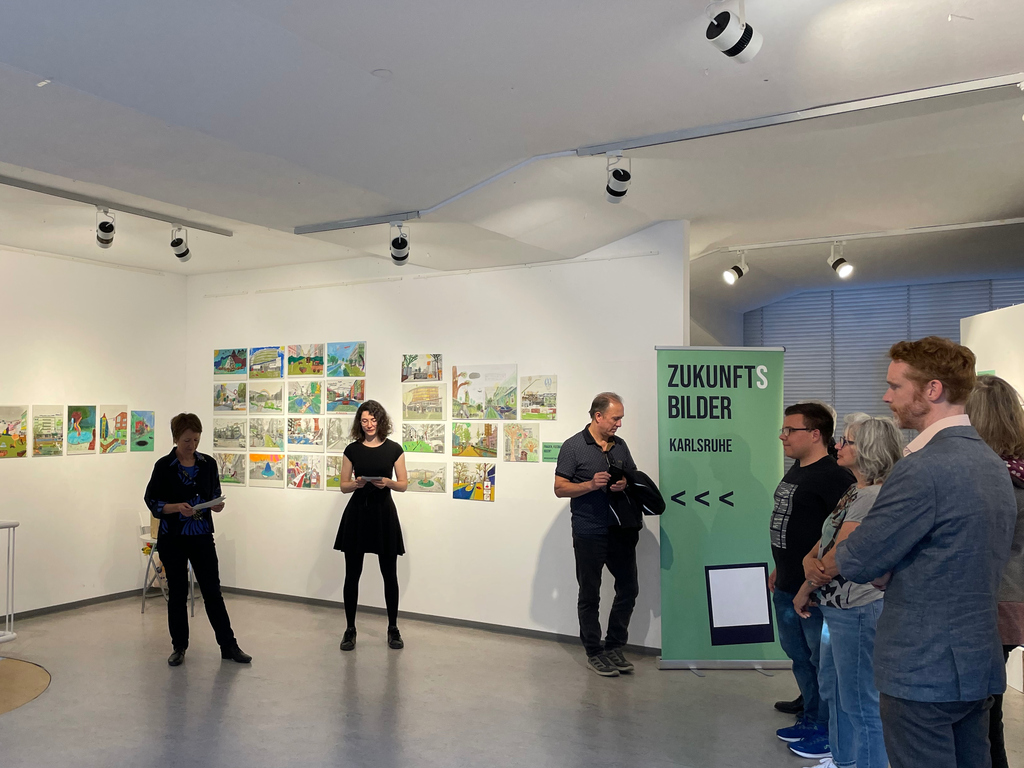
On 14 May, the exhibition ‘Zukunftsbilder’ (visions of the future) opened at the GEDOK artists' forum in Karlsruhe.
On display are visions of the future for Karlsruhe's public spaces, creatively realised by citizens, students and schoolchildren. Images by students from the ‘Sensing Space’ seminar, created as part of the ‘Exploration Logbook’ course, are also part of the exhibition.
The Zukunftsbilder project arose from civic engagement. The Institute for Regional Science and Kiezblocks Karlsruhe, among others, were involved in organising the workshops and the exhibition. The Zukunftsbilder project is supported by the Office for Environment and Occupational Safety, the City Planning Office and the Cultural Office of the City of Karlsruhe.
The exhibition can be seen at GEDOK (Markgrafenstr. 14) until 25 May 2025.
About the exhibition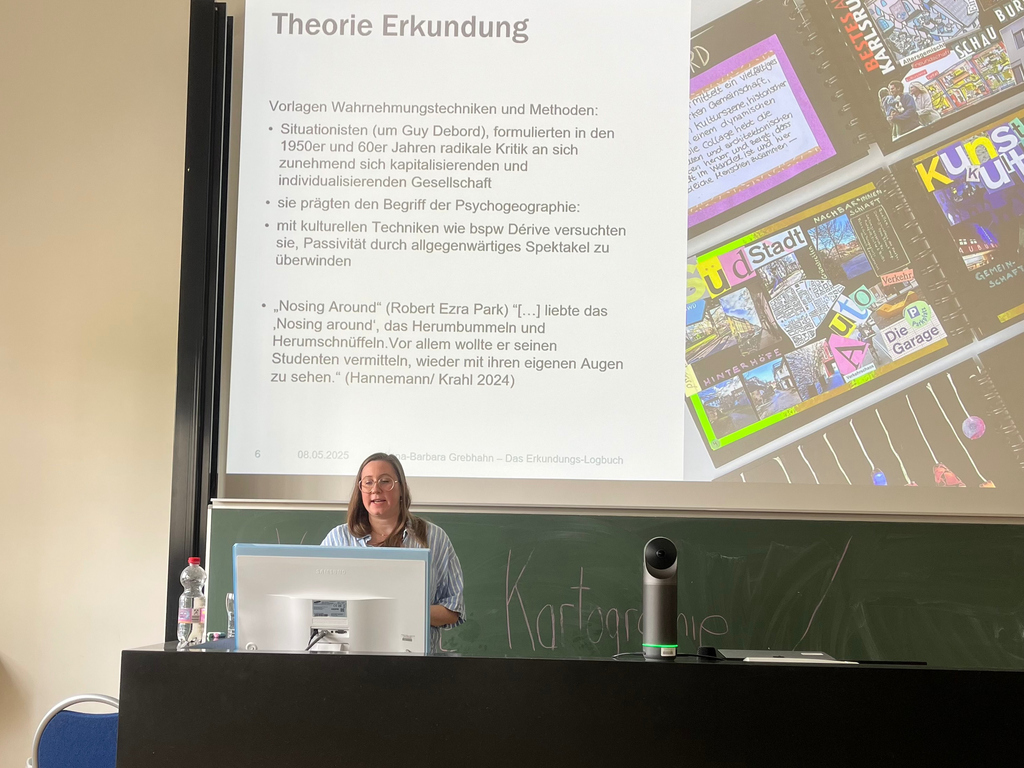
The workshop ‘New Approaches to Critical Geovisualisation’ took place once again in Halle, Germany. Our research assistant Anna-Barbara Grebhahn presented ‘The Exploration Logbook: A Collection of Creative Perspectives on Urban Space,’ providing insights into the ‘Sensing Space’ seminar at the Institute for Regional Science. The interdisciplinary workshop at the interface of geographical research and research-based design brought together students and researchers from geography and design as well as numerous other disciplines through their shared interest in critical mapping. In addition to lectures on scientific projects, practical workshops were also held, for example on map reading or the cinematic implementation of map material.
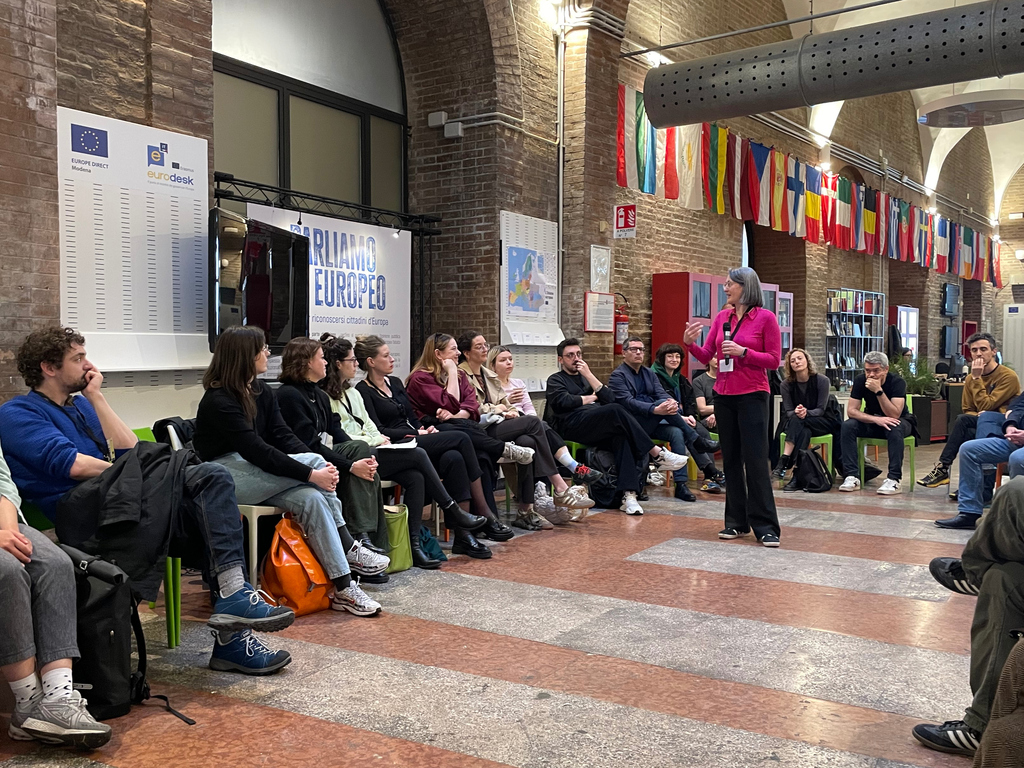
IfR research associate Anna-Barbara Grebhahn is currently participating in the exchange programme and EU-funded project CULT. The exchange between the UNESCO Creative Cities of Media Arts, Karlsruhe and Modena, promotes the connection between cultural heritage and media art in the context of sustainable development. The project is coordinated by the Cultural Office of the City of Karlsruhe and brings together researchers, media artists, curators and citizens from Karlsruhe and Modena.The Institute for Regional Science is particularly interested in media art as a tool for knowledge transfer and for shaping and discussing urban spaces. The UNESCO Creative Cities of Media Arts network promotes exchange, reflection and cooperation and supports Creative Cities in mobilising cultural resources to promote diversity and sustainable development.

An initial version of the profiles of the 12 prototypes of change that were examined in depth is now available for download on the website of our EU research project. In times of rising energy and rental costs, social inequalities and vulnerabilities in the housing market are becoming more acute. In some respects, the prototypes of change have the potential to trigger transformative processes within the energy and housing markets.
To the project website
On 18 February 2025, our third-semester students presented their research findings from the project seminar on urban research. In the summer of 2024, the students conducted research in Karlsruhe's Südstadt district on the perception of public space. The topics included ‘The design of Werderplatz in the context of urban transformations’ and ‘The green strip – one park, many opinions’. The students' research also gave rise to visions for the future of the research areas. The event was very well attended, with no seats left empty. We are delighted to have established the Institute for Regional Science as a host for dialogue on the sustainable design of the Südstadt district.
Learn more
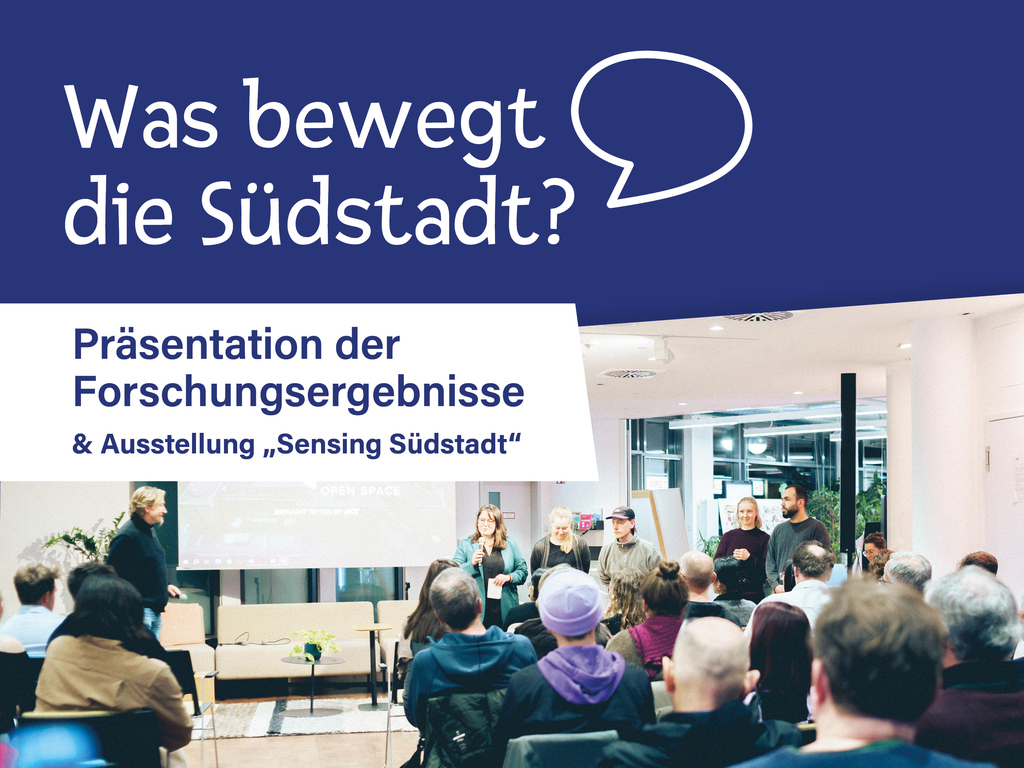
Students of the Master’s degree programme in Regional Science/Spatial Planning are presenting the findings of their teaching and research project on urban research in the Südstadt district of Karlsruhe in 2024. The topics ‘The design of Werderplatz in the context of urban transformation’ and ‘The green strip – one park, many opinions’ examine the public space in Karlsruhe’s Südstadt – how is it used, and how might it change?
Following the presentation, we invite you to join us for a discussion and exchange of views. The exhibition “Sensing Südstadt” will also be on display, showcasing perspectives on the neighbourhood compiled by students on the “Sensing Space” seminar. The presentations will take place on 18 February 2025 at 7.00 pm at TRIANGEL Studio, Kaiserstraße 89.
Find out more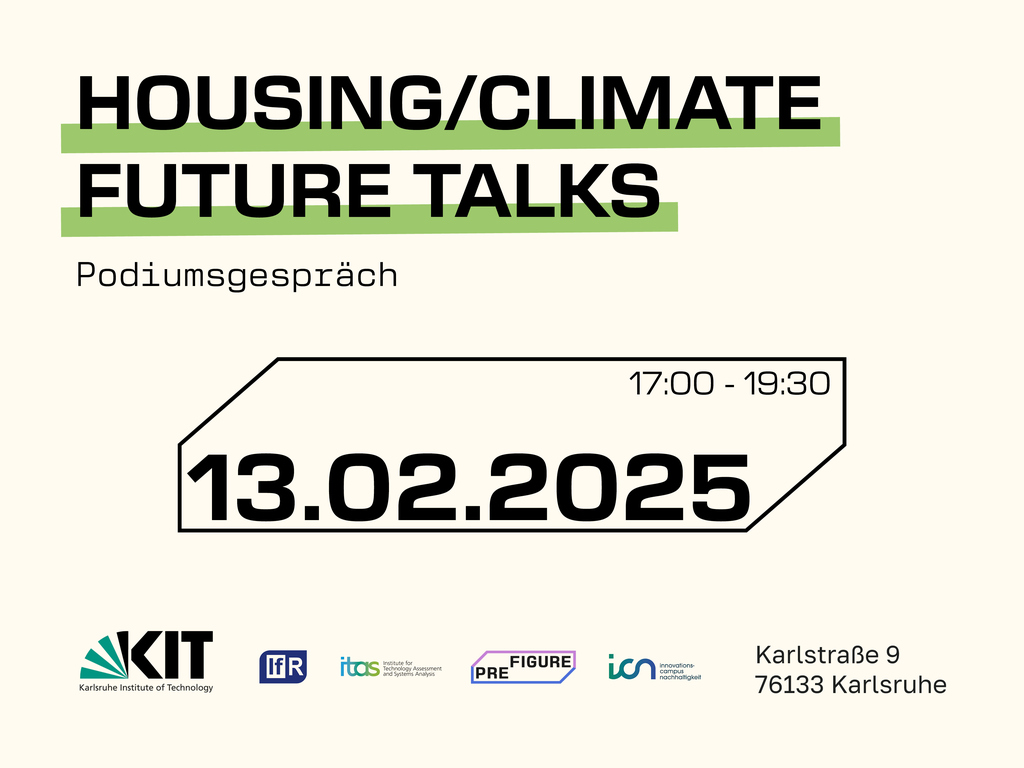
On 13 February 2025, a final panel discussion of the colloquium will take place at Karl 9 venue of the ITAS Institute in Karlsruhe between 5:00 p.m. and 7:00 p.m. The event is free of charge and open to all citizens and interested students of KIT.
Learn more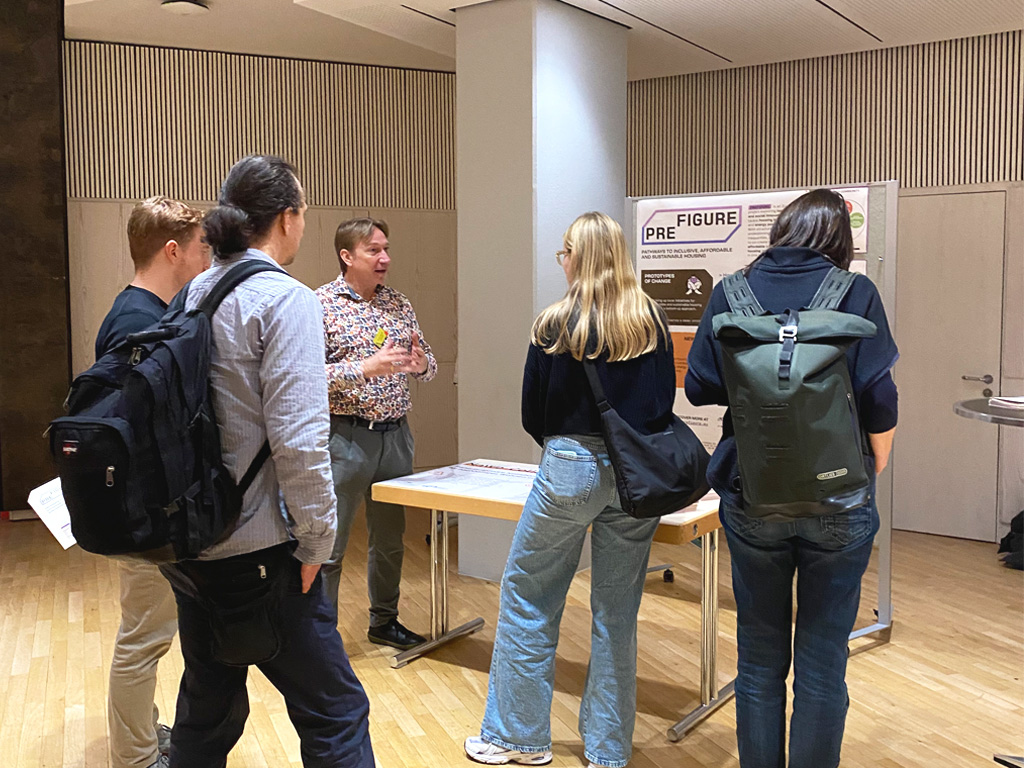
On 27 November 2024, Prof. Michael Janoschka and IfR research assistant Carolin Seiberlich had the pleasure to attend the 'Klimafit in die Zukunft' (climate fit for the future) conference organised by the Baden-Württemberg Academy for Nature Conservation and Environmental Protection. They took the opportunity to engage in lively discussions with municipal representatives and learned about exciting best practice examples of resource-efficient and climate-friendly planning in existing buildings. Another highlight was the presentation of the current research project 'PREFIGURE – Pathways to inclusive, affordable, and sustainable housing'.
Visit the project website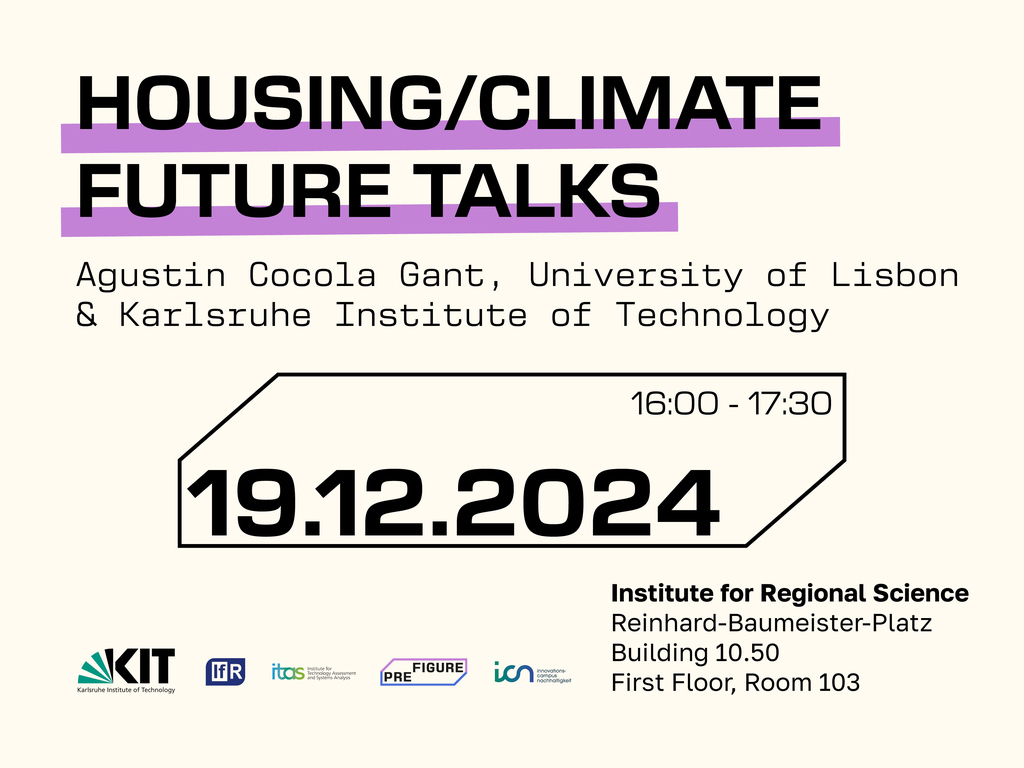
On 19 December 2024, Augustin Cocola Gant from the Karlsruhe Institute of Technology will give a lecture entitled ‘Airbnb and touristification as drivers of inequality’. The lecture is open to all members of the public and interested students at KIT.
The lecture will take place at 4.00 pm at the IfR, KIT South Campus / Reinhard-Baumeister-Platz 1, building 10.50, room 103.
More about the event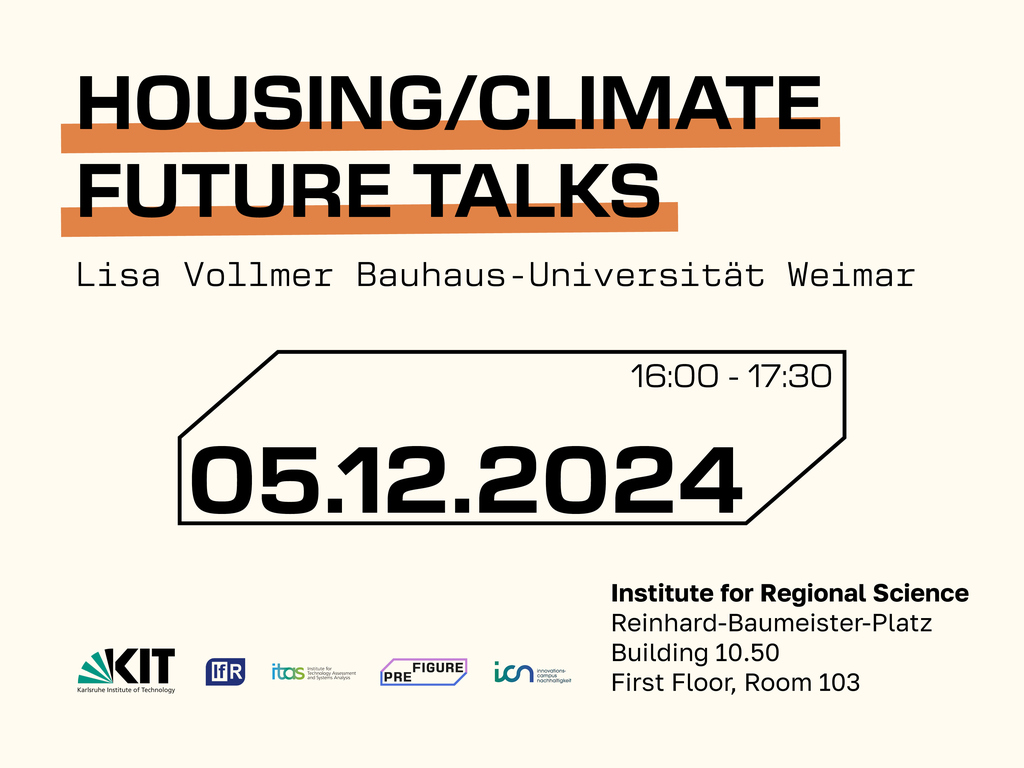
On 5 December 2024, Lisa Vollmer from the Bauhaus University in Weimar will give a lecture entitled "The socio-ecological housing question and tenant protest in Berlin". The lecture is open to all members of the public and interested students at KIT.
The lecture will take place at 4.00 pm at the IfR, KIT South Campus, Reinhard-Baumeister-Platz 1, building 10.50, room 103.
Learn more
On 2 December 2024, research assistant Carolin Seiberlich had the pleasure of participating in the first sustainability dialogue platform of the Baden-Württemberg Innovation Campus at the ‘Schaltwerk’ in Freiburg. This inspiring event offered numerous opportunities to network with committed stakeholders from science, business, politics and civil society. Particularly exciting was the presentation of the current status of the exploratory project ‘NaWo-Collab – Transdisciplinary Collaboration for Sustainable Living and Renovation,’ presented by Prof. Philipp Späth and Carolin Seiberlich. It was a productive and inspiring exchange that opened up exciting perspectives for the future!
Find out more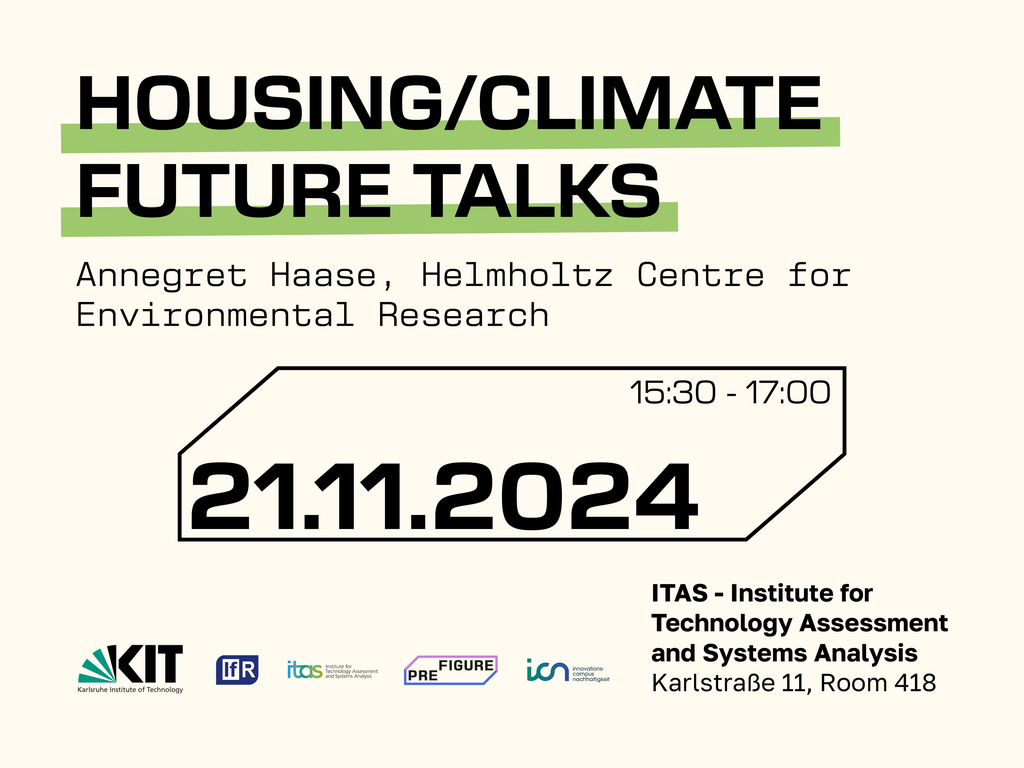
On 21 November 2024, Annegret Haase from the Helmholtz Centre for Environmental Research will give a talk entitled ‘Urban sustainability transformation – what they are about and what we can learn from them’. The talk is open to all members of the public and interested students at KIT.
The lecture will take place at 3.30 pm at ITAS (Karlstraße 11) in room 418.
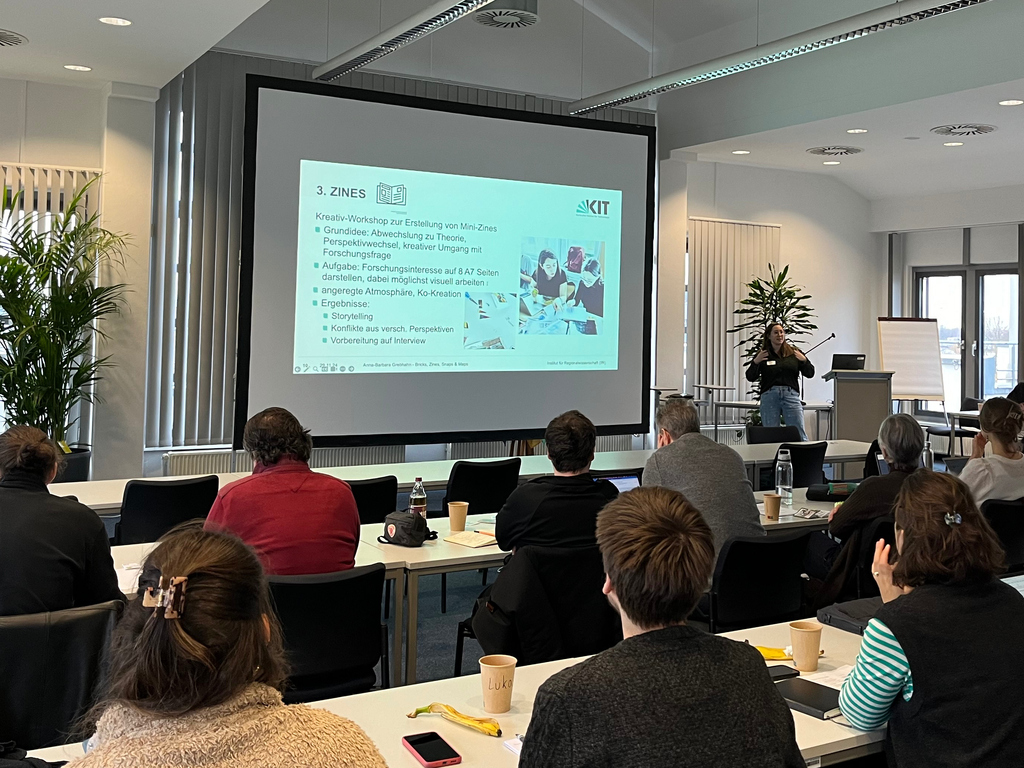
At the ‘Visual Geographies’ conference in Leipzig, research assistant Anna-Barbara Grebhahn spoke about reflexive methods and haptic-visual tools for urban research. The presentation was given as part of the ‘Visualisation and Teaching’ session.
The conference followed on from the discussions within the DFG network “Visualisation of Qualitative Geographies”, brings together the current state of knowledge, and serves as a forum for exchanging new insights and discussing open questions. Following this, the ‘Visual Geographies’ working group was established as part of the conference.
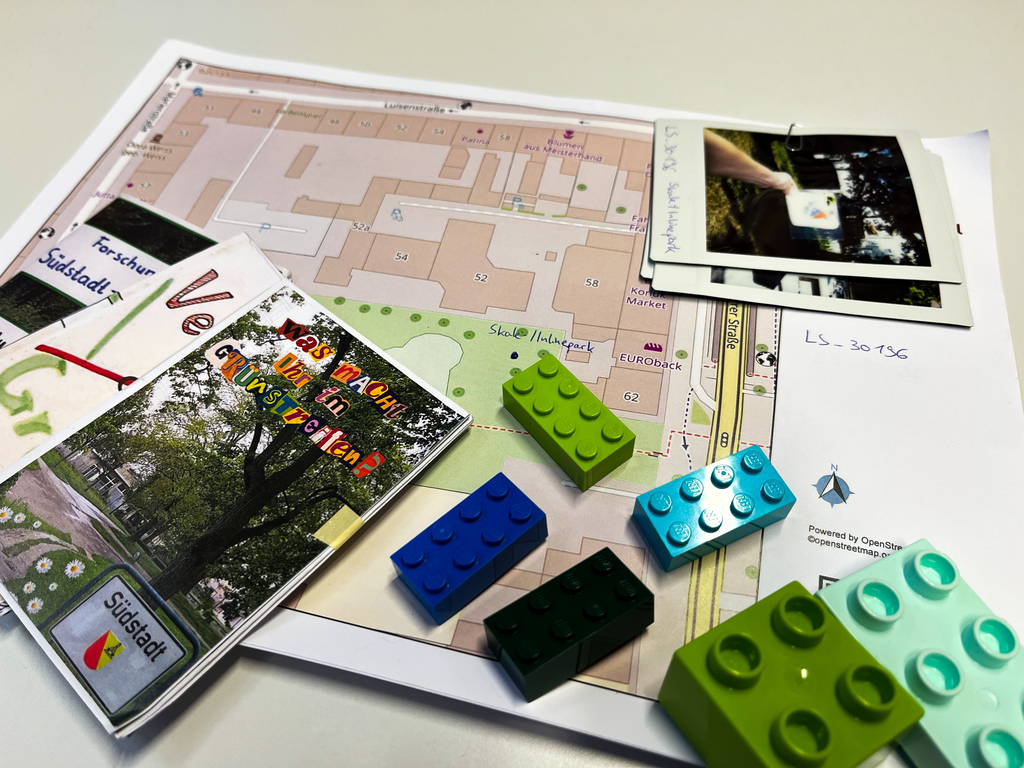
At the end of November, Anna-Barbara Grebhahn will take part in the ‘Visual Geographies – Approaches, Methods, Questions’ conference at the IfL Institute for Regional Studies in Leipzig. As part of her talk, ‘Bricks, Zines, Snaps & Maps’, she will present visual and haptic methods in the context of teaching and research. The presentation will cover experiences, challenges and successes with analogue visual formats and tools, such as creating zines, using Lego and instant cameras in combination with the analogue-to-digital data collection tool, SketchMap. These findings were gathered during the project seminar on transdisciplinary urban research in the summer of 2024. The conference follows on from the discussions within the DFG network ‘Visualisation of Qualitative Geographies’, brings together the latest research findings, and serves as a forum for exchanging new insights and discussing unresolved issues.
Learn more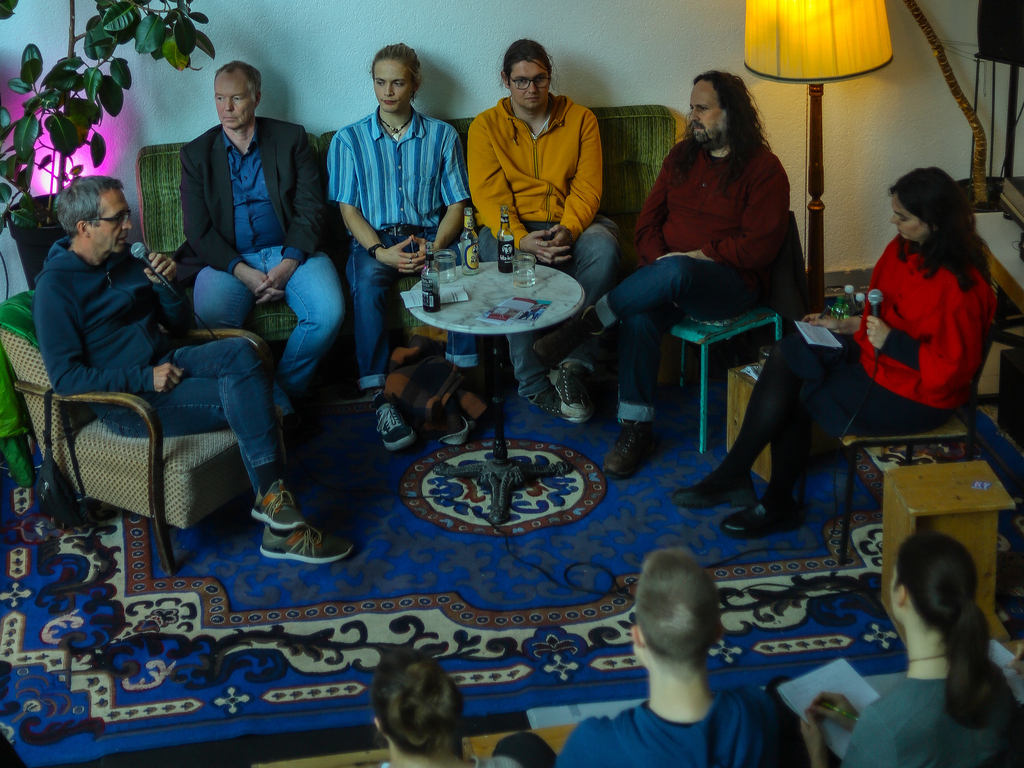
On 24 October 2024, our colloquium ‘Housing and Climate Future Talks’ kicked off with a panel discussion at ßspace on Fritz-Erler-Straße. Wolfgang Opferkuch from the Karlsruhe Tenants’ Initiative, Oliver Parodi from the Karlsruhe Centre for Sustainability and Cultural Transformation, Severin Hüllen and Lukas Hesche from the Collegium Academicum, and Steffen Schäfer from the City of Karlsruhe’s cooperative housing acquisition scheme spoke enthusiastically about their housing projects during the well-attended event.
As niche projects in a profit-driven housing market, these have the potential to move from the niche into the mainstream. Furthermore, the shared responsibility for a property – through, for example, self-build projects and self-management within working groups or a general meeting – connects residents with the architecture in which they live. The discussion was moderated by our research assistant, Carolin Seiberlich.
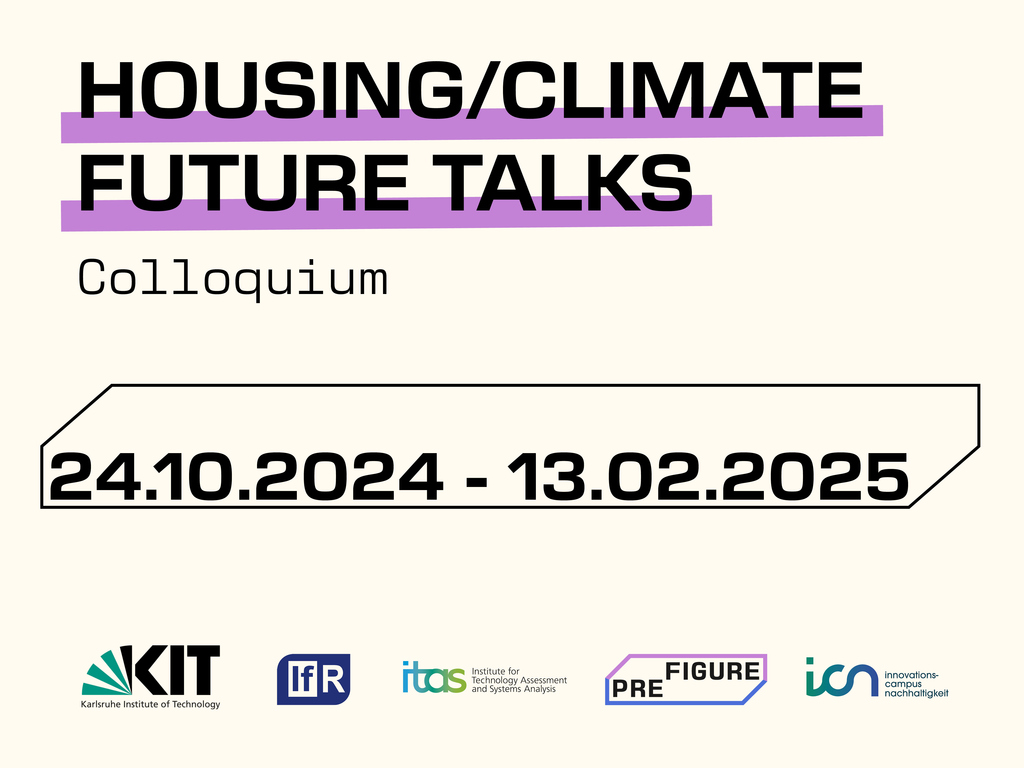
The “Housing/Climate Future Talks” colloquium is a critical examination of the housing issue and socio-ecological transformation in the Anthropocene. It will take place every Thursday from 24 October 2024 to 13 February 2025. The panellists come from academia, civil society and the political sphere.
On 24 October 2024, the opening event – a panel discussion as part of the colloquium – will take place at the ßpace of the association ‘die Anstoß e.V.’ at Fritz-Erler-Str. 7 in Karlsruhe from 5.00 pm to 7.00 pm. The event is free of charge and open to all members of the public.
Our students are particularly welcome, as the colloquium is a compulsory module in Module 1.
From 7 to 15 September 2024, the Institute for Regional Science (IfR), together with a delegation from the Karlsruhe Institute of Technology (KIT), took part in the Thessaloniki International Fair 2024 in Greece. During the fair, the EU project ‘Prefigure’ (www.prefigure.eu), coordinated by the IfR, and the NaWo-Collab project, funded by the University of Freiburg’s Innovation Campus for Sustainability and KIT, were presented.
These projects focus on sustainable urban development, energy efficiency and tackling major urban challenges in the face of climate change. On Sunday, 8 September 2024, a panel discussion was held on the topic of ‘Housing in Times of Climate Change – Challenges and Opportunities’, featuring experts from Germany and Greece, including the Director of the IfR, Prof. Dr Michael Janoschka, and Sören Bartol, Parliamentary State Secretary at the Federal Ministry for Housing, Urban Development and Construction, to discuss current trends and challenges in housing policy.
More about the fair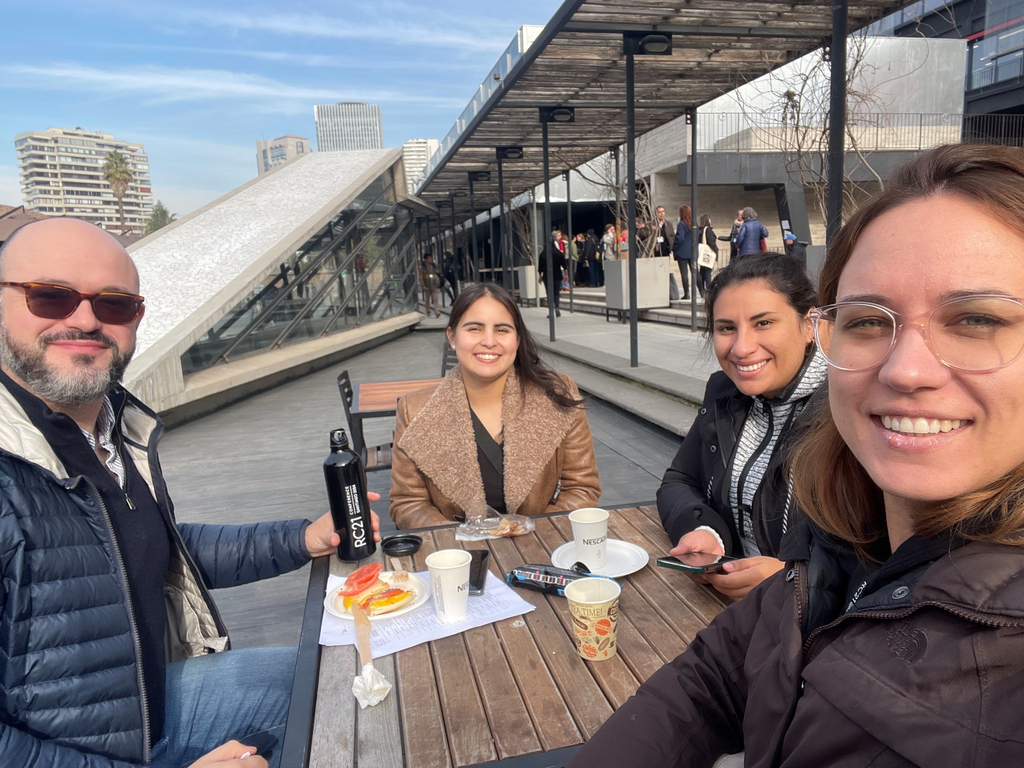
At the end of July, Larissa Brandenstein, Riccardo Porreca, Maria-Dorothea Wolf and Francisca Quevedo attended the RC21 conference in Santiago de Chile and delivered the following presentations:
Brandenstein: “Linking global North narratives with global South planning practice: urban resilience and natural hazards in Chile”; Porreca: “Struggle for ancestral inhabitation: the co-production of urban habitat in Quito facing urban vulnerability and expansive urbanization” & “Limping SLBs for urban habitat: Ancestral co-governance in response to the absence of the state in Quito.”; Wolf: “Wealth & Space: Spaces of wealth production and urban imprint by elites in Chile, Brazil and Mexico.”
To the conference website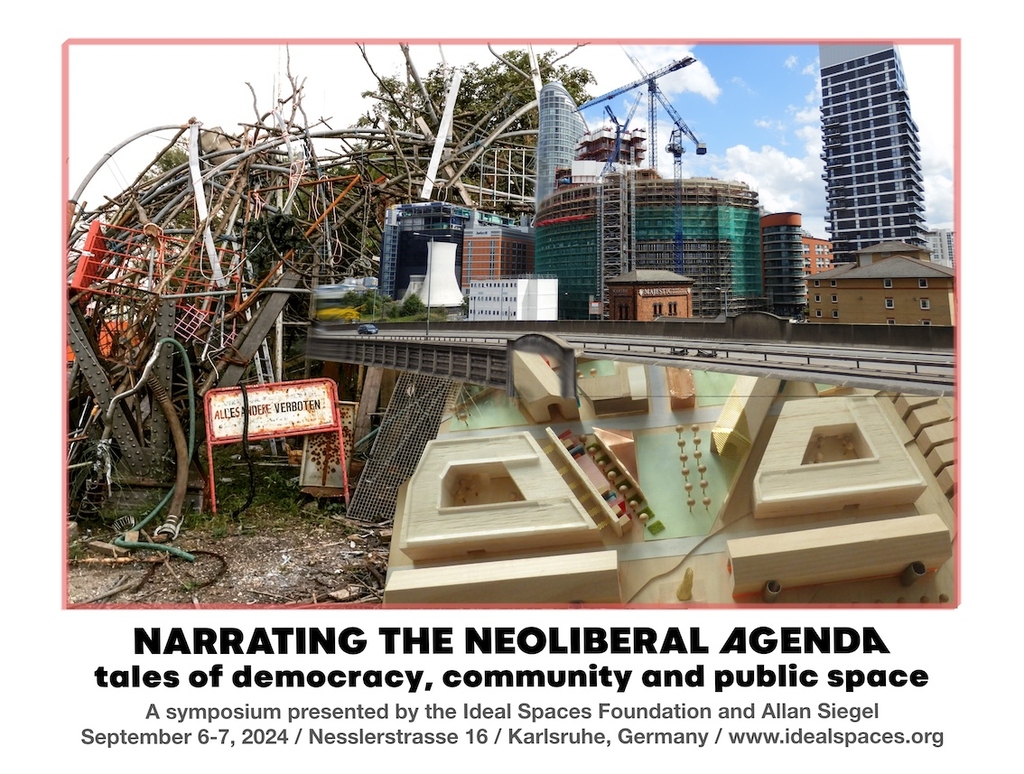
Dr. Aysegül Can and Prof. Dr. Michael Janoschka attended the Symposium on the Neoliberal Agenda in Karsruhe on the 6thand 7th of September 2024. In this Symposium, Dr. Can and Prof. Dr. Janoschka presented their work on the complex relationship between neoliberalism and urban space separately. The symposium was organized and held by an organization called Ideal Space and the topic was Dialogue, Polis and Democracy.
Learn more
Dr. Aysegül Can will attend the upcoming ENHR Conference 2024 in Delft, Netherlands from the 26th to the 30th August, and will present her paper titled “Variegated Processes of Green Grabbing in Istanbul” with her co-author Dr. Bahar Sakizlioglu (University of Erasmus). The topic of the conference is: "Making Housing systems work: evidence and solutions”. In this conference Dr. Can and her co-author will touch upon the topics of green grabbing and urban development in the Global South through their case study of istanbul, Turkey.
To the conference website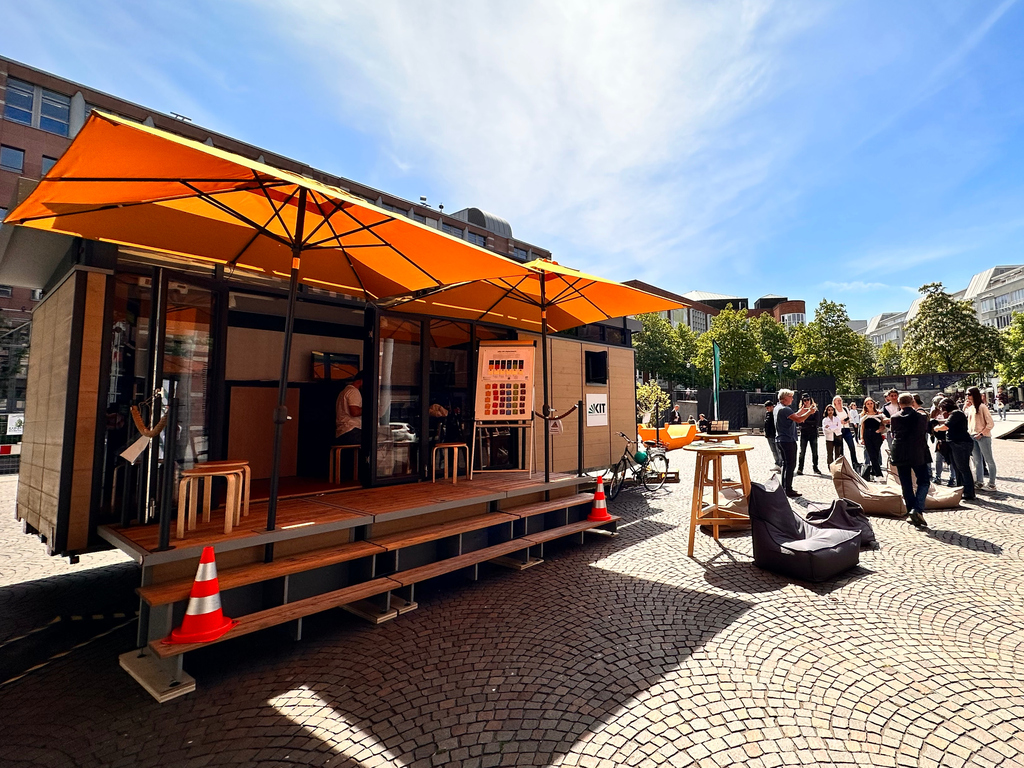
People in Europe are facing a combined housing and energy crisis that is exacerbating social inequality. Access to affordable housing is limited and is being made even more difficult by rising rents and energy prices. The “PREFIGURE” project, coordinated by the Karlsruhe Institute of Technology (KIT) and funded by the EU, now aims to address this multifaceted housing crisis. The researchers are examining how innovations can help eliminate inequalities and energy poverty, and aim to identify effective housing policy measures and gain insights that will lead to sustainable change.
To the press release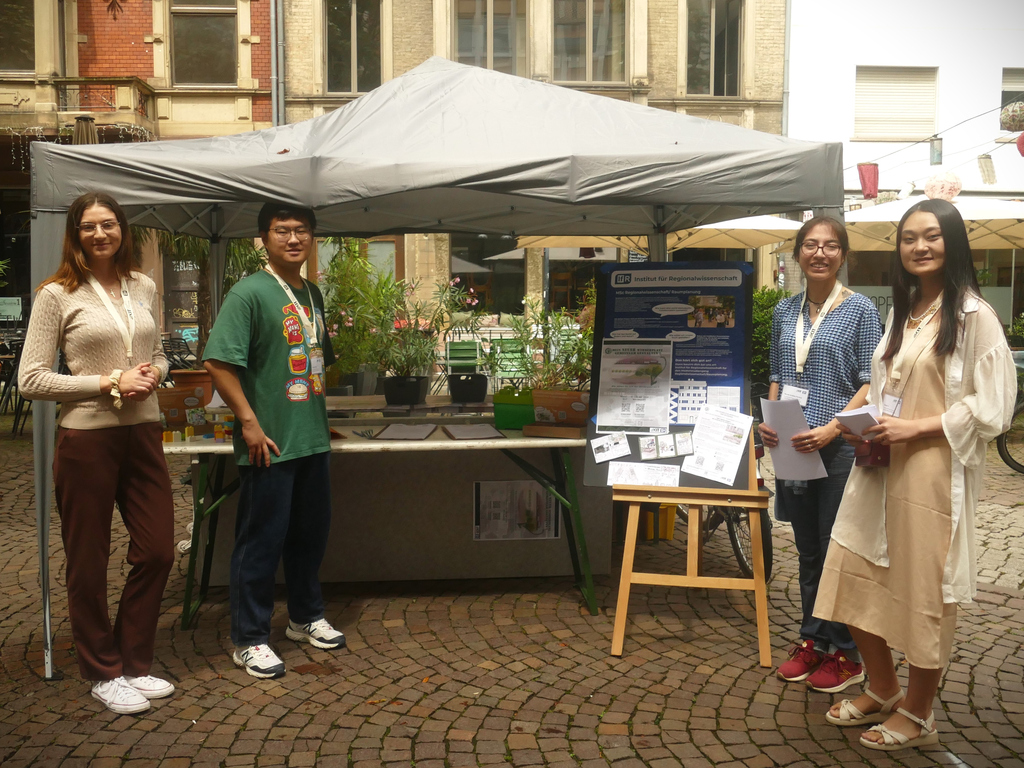
Students from our project seminar on transdisciplinary urban research undertook a research visit to the Grünsteifen and Werderplatz in Karlsruhe’s Südstadt district from 10 to 13 July 2024. During this time, they worked together with Südstadt residents to explore questions such as: To what extent do the patterns of use of the Südstadt green strip correspond to the wishes of local residents? How is the design of the green spaces and traffic areas at Werderplatz perceived, and what are people’s wishes and ideas in this regard?

On 6 and 7 June 2024, the Working Group on German Research into Latin America (Arbeitsgemeinschaft deutsche Lateinamerikaforschung - ADLAF) will hold a conference on the theme of ‘Space and Latin America in Academia and Politics’ at the Ibero-American Institute in Berlin. Prof. Dr Michael Janoschka, Director of the Institute for Regional Science, will take part in this major event for Latin American studies in the German-speaking world and contribute his expertise to the discussions. On Thursday 6 June, he will take part in a roundtable discussion on research funding and research alliances. Mr Janoschka will focus in particular on the importance of transdisciplinary research and international collaboration, highlighting the projects CONTESTED_TERRITORY (funded by the EU) and WEALTH & SPACE (funded by the Volkswagen Foundation), which are coordinated by the IFR in partnership with Latin American institutions.
To the conference programme
Prof. Michael Janoschka and the three IfR research associates Larissa Brandenstein, Dr Riccardo Porreca and Maria-Dorothea Wolf, will be attending the RC21 Conference 2024 in Santiago de Chile from 24 to 26 July, where they will present the current state of their respective research in a series of talks. The theme of the conference is: “The politics and spaces of encounters: advancing dialogues between and within the Global North and the Global South”. Together with other colleagues, Michael Janoschka is organising the session ‘The political economy of peripheral urbanisation: financialisation, corporate power, extractivism and dependency’.
Learn more
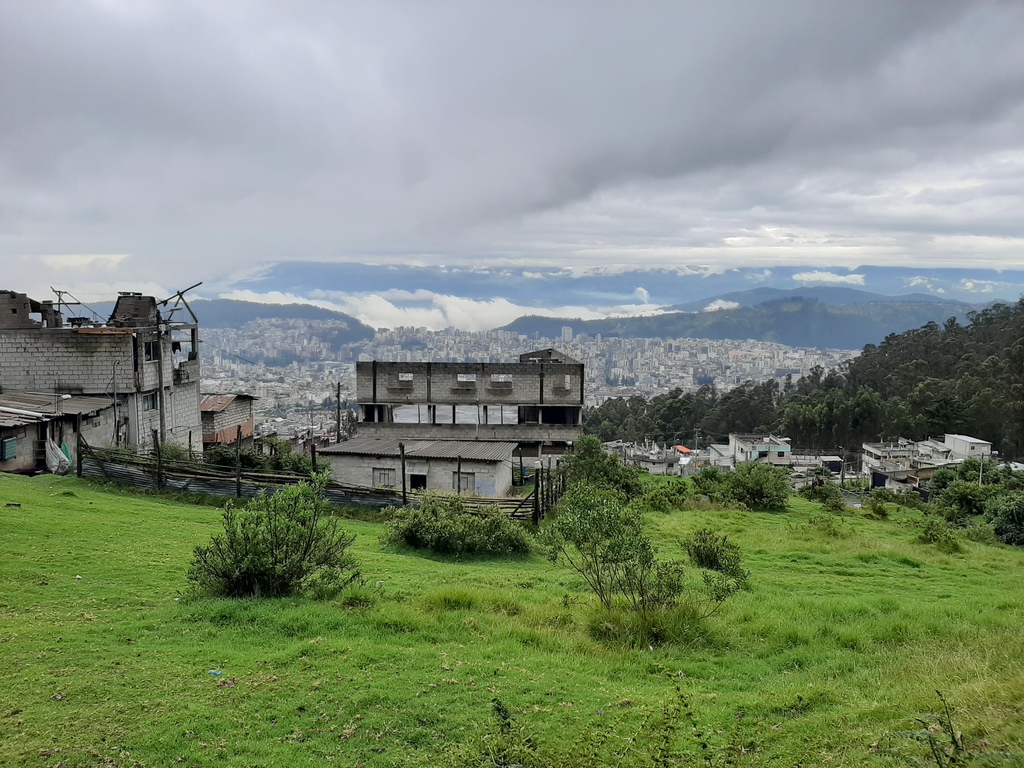
IIn the first research article from the CoprodAction project, ‘Pathways of Co-Production: Negotiations and contextual insights into Quito’s peripheral urbanisation’, Riccardo Porreca and Michael Janoschka discuss the complex interactions at the interface between formal and informal, municipal and urban urban development in Quito. The aim of CoprodAction’s research is to understand the extent to which the use of collaborative practices influences or contributes to an improvement in quality of life. The article is publicly available online.
Read the article
On 23 February 2024, interested residents from the Südstadt neighbourhood gathered at the TRIANGEL Space on Kronenplatz to gain an insight into the research findings of the ‘Gemeinsam Stadt_Machen: Am Werderplatz’ project. Students from the Institute of Regional Science (IfR) and the Institute of Geography and Geoecology (IfGG) presented the data they had collected on their respective topics: public space, housing, night-time economies and ethnic economies in Karlsruhe’s Südstadt district. Afterwards, members of the public, students and academics gathered for a discussion at a small exhibition.
Find out moreHow can we shape the future of our cities? This year’s UERA (Urban Europe Research Alliance) conference was a four-day event centred on urban transformation. As part of the TRIANGEL Transfer | Culture | Space programme, our IFR researchers Michael Janoschka, Anna-Barbara Grebhahn, Agnes Matoga and Yuxin Yang gave presentations. We would like to thank the organisers at the Institute for Technology Assessment and Systems Analysis (ITAS) for this opportunity to discuss our research with a specialist audience and for the excellent discussion.
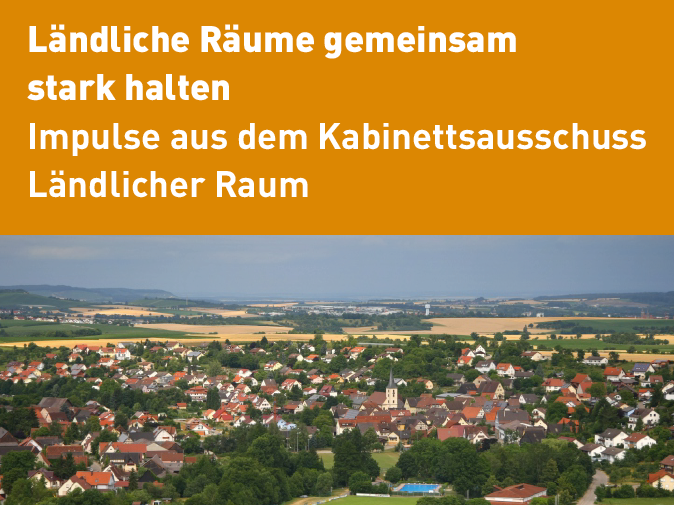
You are cordially invited to the mid-term review of the Cabinet Committee on Rural Areas, entitled ‘Keeping rural areas strong together: Ideas from the Cabinet Committee on Rural Areas’, to be held on 16 October 2023 at the Stadthalle in Sigmaringen. The IfR will be presenting the following session: “Sustainable, robust and future-proof: A concept for resilient rural areas in Baden-Württemberg”.
Further information can be found in the attached leaflet (in German) or on the website of the 'Akademie Ländlicher Raum'.
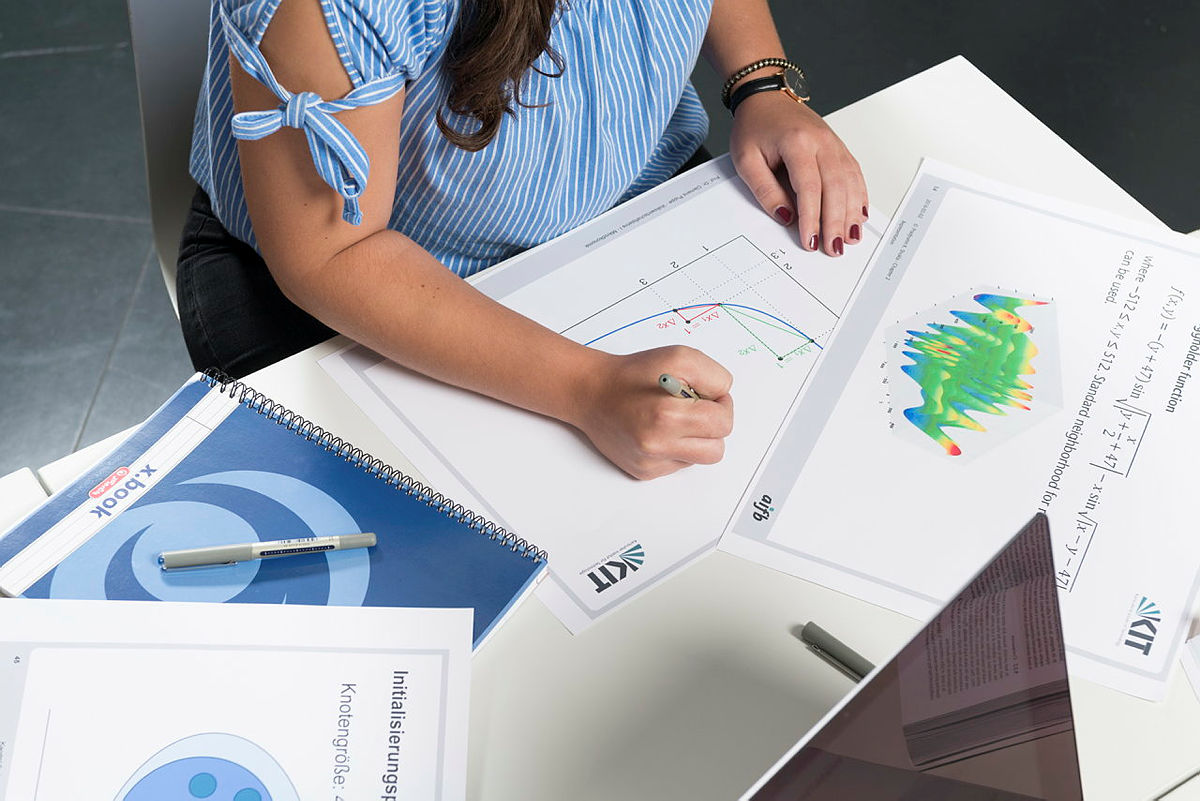
As part of the ‘Eucor-MobiLab Roadshow 2023 – Science and Society Working Together for a Sustainable Future in the Upper Rhine Region’ science tour, data is currently being collected in six towns in the tri-national Upper Rhine region on the topic of heat. The research will examine how people perceive the heat in their city, how they cope with it, and what solutions are (or could be) developed in the respective cities to adapt to ever-rising temperatures. The Master’s thesis is intended to support the survey further, particularly in Karlsruhe and, where appropriate, also in the cities of Strasbourg and Mulhouse, Basel and Kehl. In addition, the data should be analysed and qualitative interviews conducted, for example with those responsible for urban planning. The Master’s thesis is supervised by Prof. Dr Michael Janoschka (Institute of Regional Science) and, in addition, by the Karlsruhe Centre for Transformation, Sustainability and Cultural Change, and the Centre for Human-Technology Interaction (all at KIT).
Learn more
The IfR team is represented at this year’s German Geography Congress (DKG - Deutscher Konkgress für Geographie) with numerous presentations. Michael Janoschka, Maria-Dorothea Wolf, Agnes Matoga, SaeBom Song and Bingzhu Qi will be presenting their research findings on a variety of topics in Frankfurt am Main from 19 to 23 September. The individual papers can be accessed via the quick search function at https://dkg2023.de/programm by searching by name.
To the conference programme
The IECO (Institute of Eco-Industrial Development) Summer School will take place at the Universidad de Concepción in Chile from 18 November to 25 November 2023.
Further information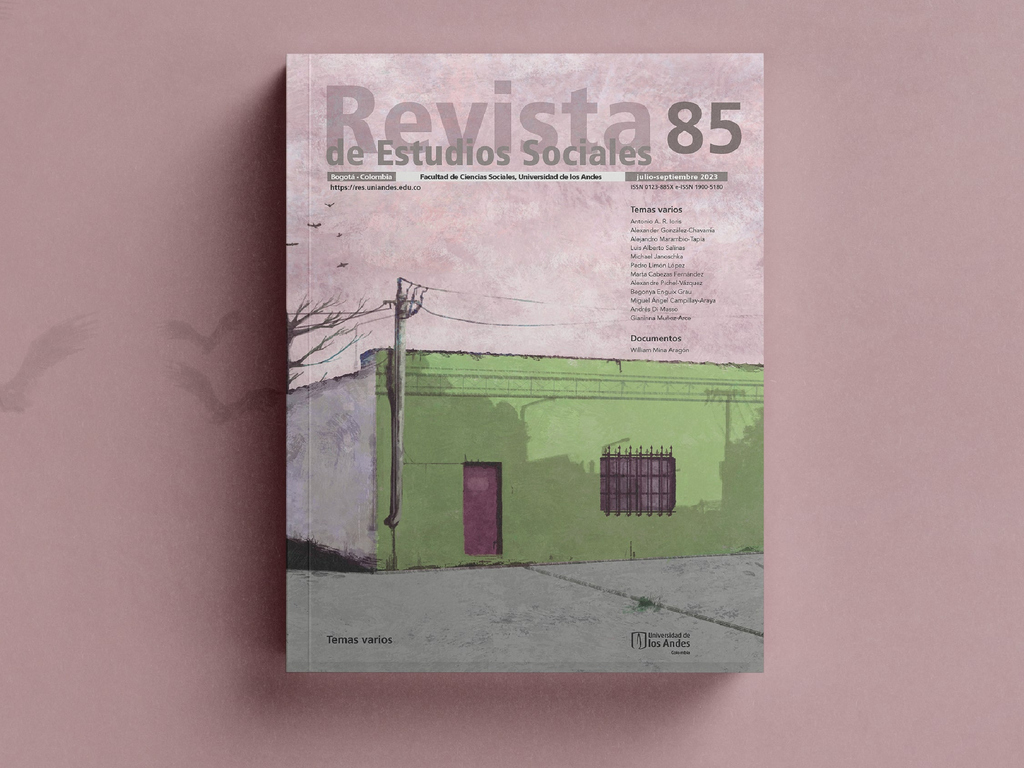
In the research article “The biopolitics of housing financialisation: an approach to the epistemic violence of financial capitalism”, Luis Alberto Salinas and Michael Janoschka analyse mechanisms in Mexico that promote access to home ownership for various population groups with limited resources.
Read the article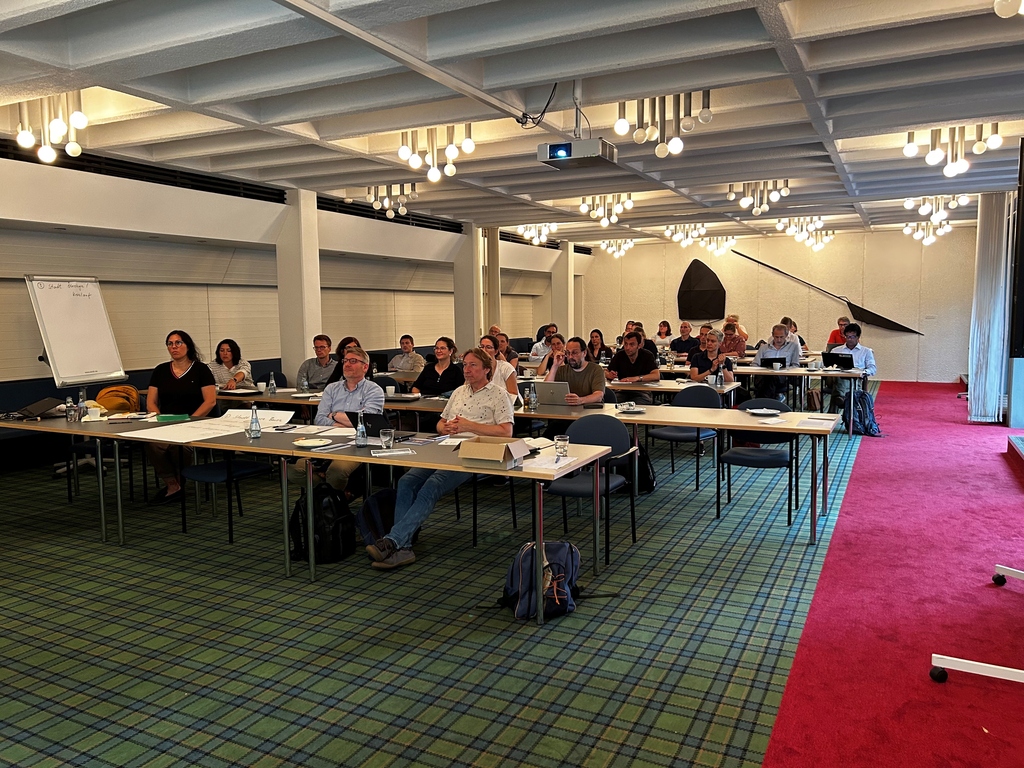
A workshop on the topic of “Urban Research”, initiated and organised by the KIT Centre for Climate and Environment (ZKU), took place on 30 June 2023 and attracted a great deal of interest. The aim is to bring together and further develop the wide variety of research activities at KIT relating to “the city”, and to raise their profile.
If we have sparked your interest, we look forward to hearing from you. Should you have any queries, Dr Hennrich (Head of the Secretariat of the KIT Centre for Climate and Environment, ZKU) and the two ZKU ‘Stadt.Forschung’ topic spokespersons, Prof. Michael Janoschka (IFR) and Prof. Frank Dehn (IMB), will of course be happy to assist you.
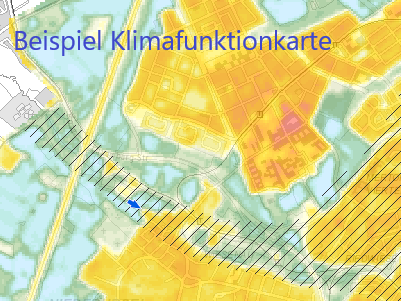
The article ‘What hinders climate adaptation? Approaching barriers in municipal land-use planning through participant observation’ offers in-depth insights into a real-life planning case within a German local authority, whilst examining the systemic barriers that currently still significantly hinder municipal climate adaptation.
Read the article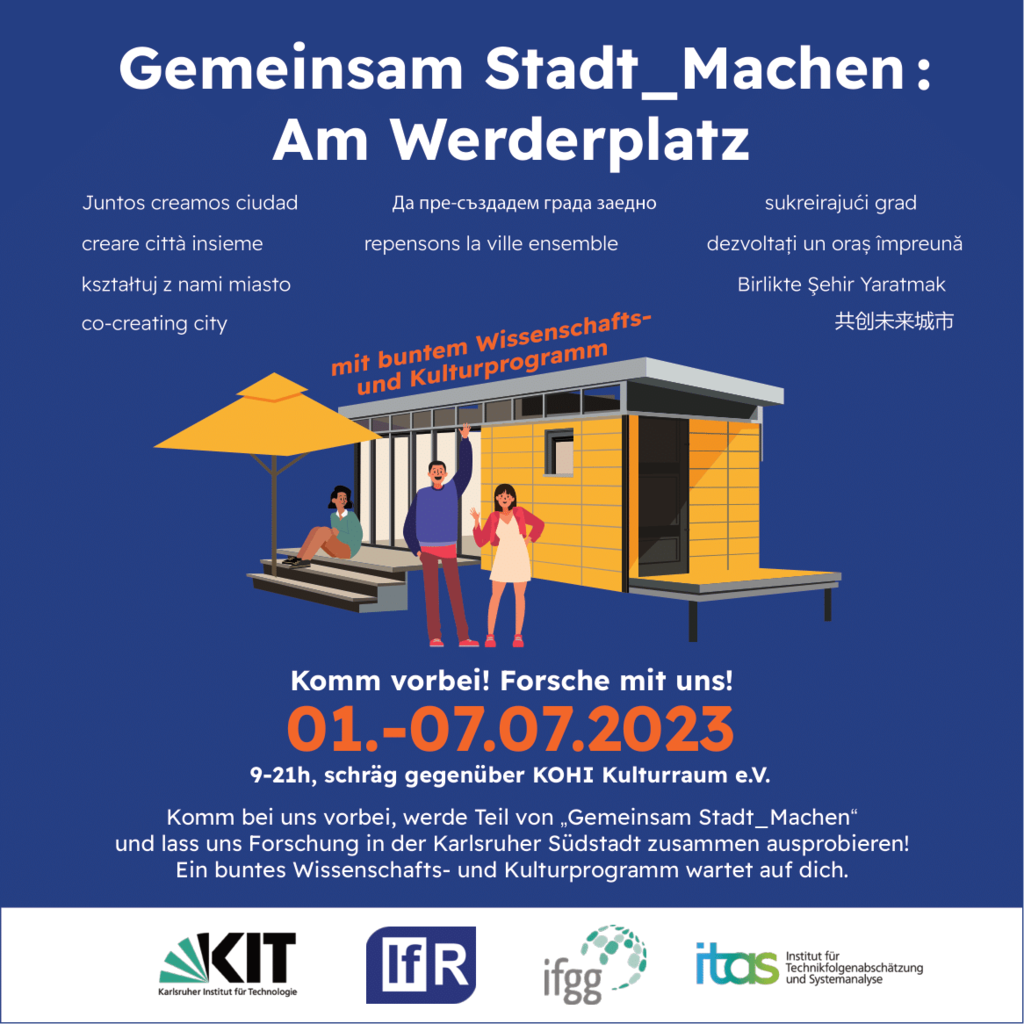
From 1 July to 7 July 2023, the fieldwork week for the urban research project “Shaping the City Together: An Interactive CitizenLab with Karlsruhe’s Südstadt” will take place at Werderplatz in Karlsruhe.
Discover the programmeDuring an interview with the newspaper 'BNN', Michael Janoschka and Agnes Matoga spoke to Martina Hillesheimer, chair of the Südstadt Citizens’ Association, about the development opportunities and the risk of gentrification at Werderplatz. They also discussed the upcoming research week, which will take place from 1 to 7 July at Werderplatz.
Read the interview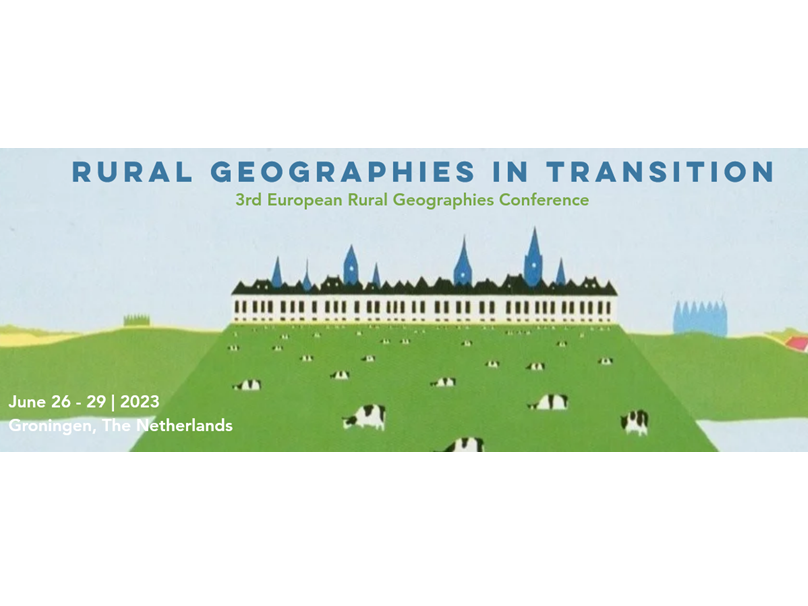
On 29 June 2023, the Institute for Regional Science presented the initial findings of the project
‘A Concept for the Resilience of Rural Areas in Baden-Württemberg’ at the 3rd European Rural Geographies Conference. This year, the Rural Geographies Conference is focusing on the theme of ‘Transition in rural areas’ and the need for new approaches in research and practice to support rural areas in tackling current challenges.
The IfR research associates SaeBom Song and Agnes Matoga will be attending the AESOP Congress in Łódź, Poland from 11 to 15 July. Agnes Matoga will give a presentation entitled ‘Long-term Shrinkage and Innovation: Pathways of Experimental Governance in Shrinking Cities’ during Special Session 04, ‘Shrinking Cities: Re-City: Reviving Shrinking Cities – Innovative Paths and Perspectives Towards Liveability for Shrinking Cities in Europe’. She is also co-chair of Track 15: ‘Environmentalism: climate crisis and green deal’ and will represent the plaNext editorial board at the conference.
Visit the conference website“Shaping the City Together: Südstadtdialog”, the public event marking the launch of the project, took place on Tuesday evening, 18 April 2023, at KOHI on Werderplatz, Karlsruhe.
Learn more
The article, ‘Overcoming the limitations to co-production in shrinking cities: insights from Latvia, France, and the Netherlands’, co-authored by our research assistant Agnes Matoga, among others, examines the existing constraints on co-production practices and explores ways of overcoming them.
Learn more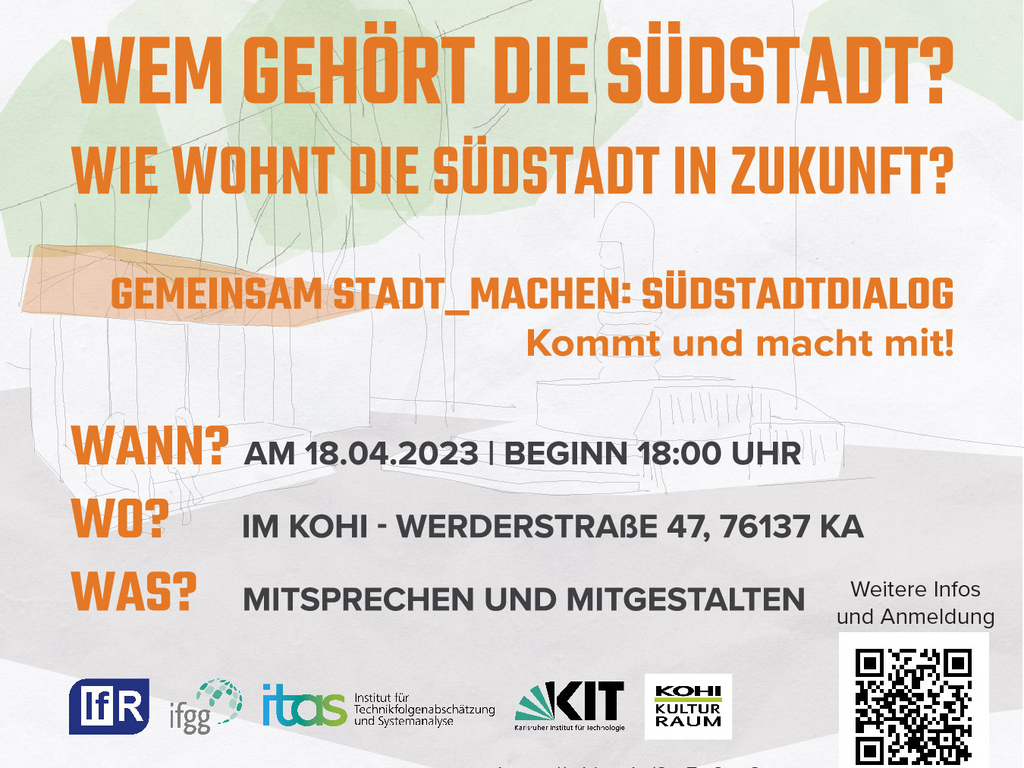
Das Institut für Regionalwissenschaft (IfR) führt in Kooperation mit IfGG und ITAS am Karlsruher Institut für Technologie in den kommenden Monaten ein Stadtforschungsprojekt zur Karlsruher Südstadt am Werderplatz durch.
Zum Auftakt gibt es am 18.04. eine öffentliche Veranstaltung "Gemeinsam Stadt machen- Südstadtdialog."
Prof. Dr. Michael Janoschka wurde gemeinsam mit Georgia Alexandri, Sònia Vives-Miró und Hernán Orozco Ramos mit dem Jim Lewis Preis für das beste Paper im Journal „European Urban and Regional Studies“ für das Paper ‘Tracing the socio-spatial logics of transnational landlords’ real estate investment: Blackstone in Madrid’ ausgezeichnet.
Wir gratulieren herzlich!
Weitere Infos