

Please note: The Master’s programme in Regional Science/Spatial Planning is being discontinued. No further students will be admitted from the winter term 2026/2027 onwards. Students currently enrolled can complete their studies as planned.
From the 2027/2028 winter term onwards, a new degree programme taught in English focusing on equitable urban research is planned in collaboration with the Institute of Geography and Geoecology (IfGG) and the Faculty of Architecture at KIT.
Master's programme in Regional Science / Spatial Planning
The Institute for Regional Science (IfR) offers the internationally oriented Master's programme in Regional Science/Spatial Planning, which is aimed at students who come from countries in the Global South or who wish to train for work in these countries. Three study programmes with different focuses are offered, all of which have regional science as their common core, with an analysis of the specific problems of developing and emerging countries and the planning concepts based on them. In addition to a four-semester Master's programme completed entirely in Karlsruhe, two double Master's programmes are offered, in which students study for two semesters in Karlsruhe and two semesters in Concepción, Chile, or Córdoba, Argentina.
Fields of activity for graduates include government spatial planning, development cooperation, climate protection, nature conservation and environmental protection, disaster prevention and many other areas that are becoming increasingly important today in order to shape the future of the earth in a sustainable, environmentally friendly and socially just way.
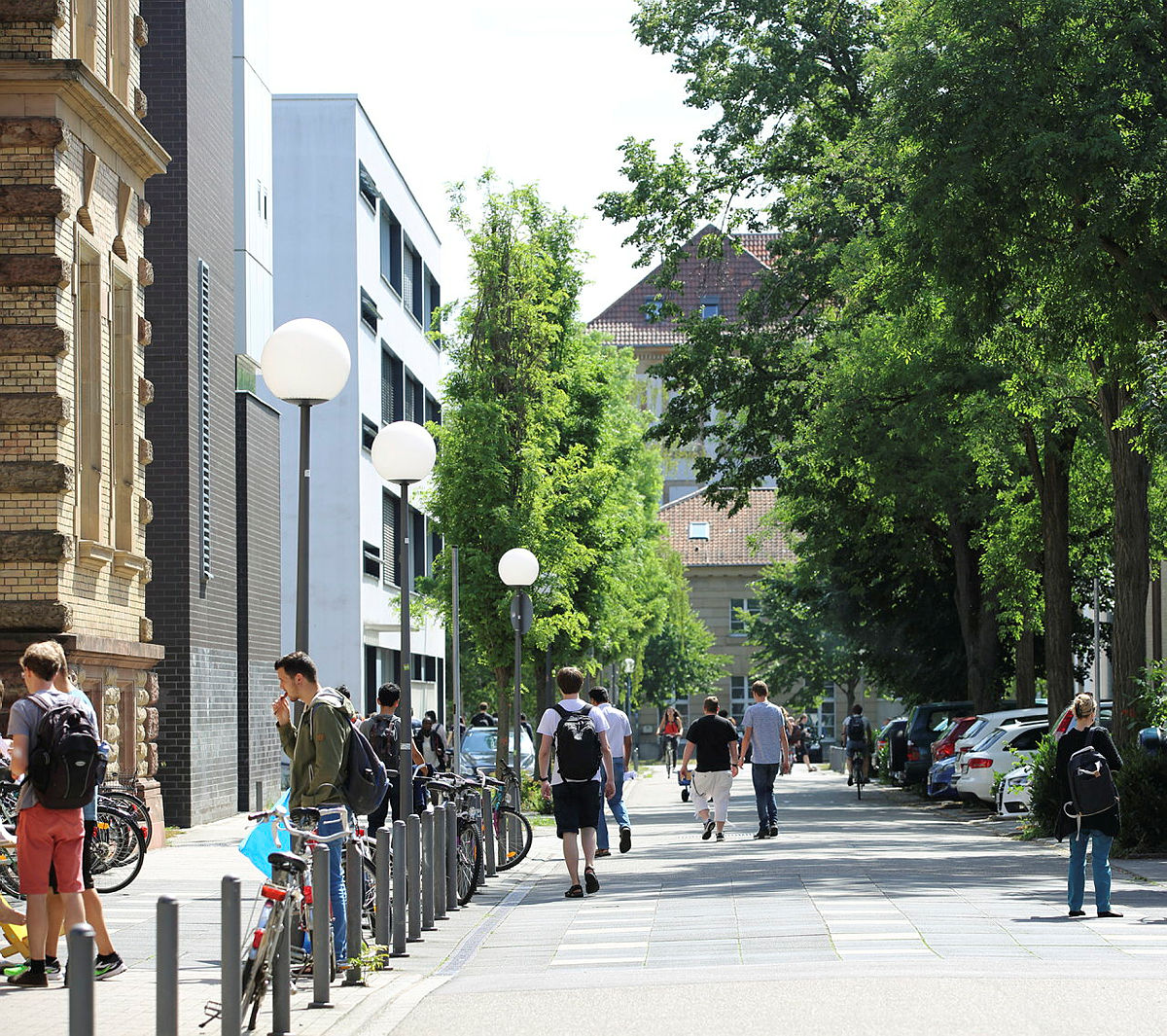
Master's programme (KIT)
Further information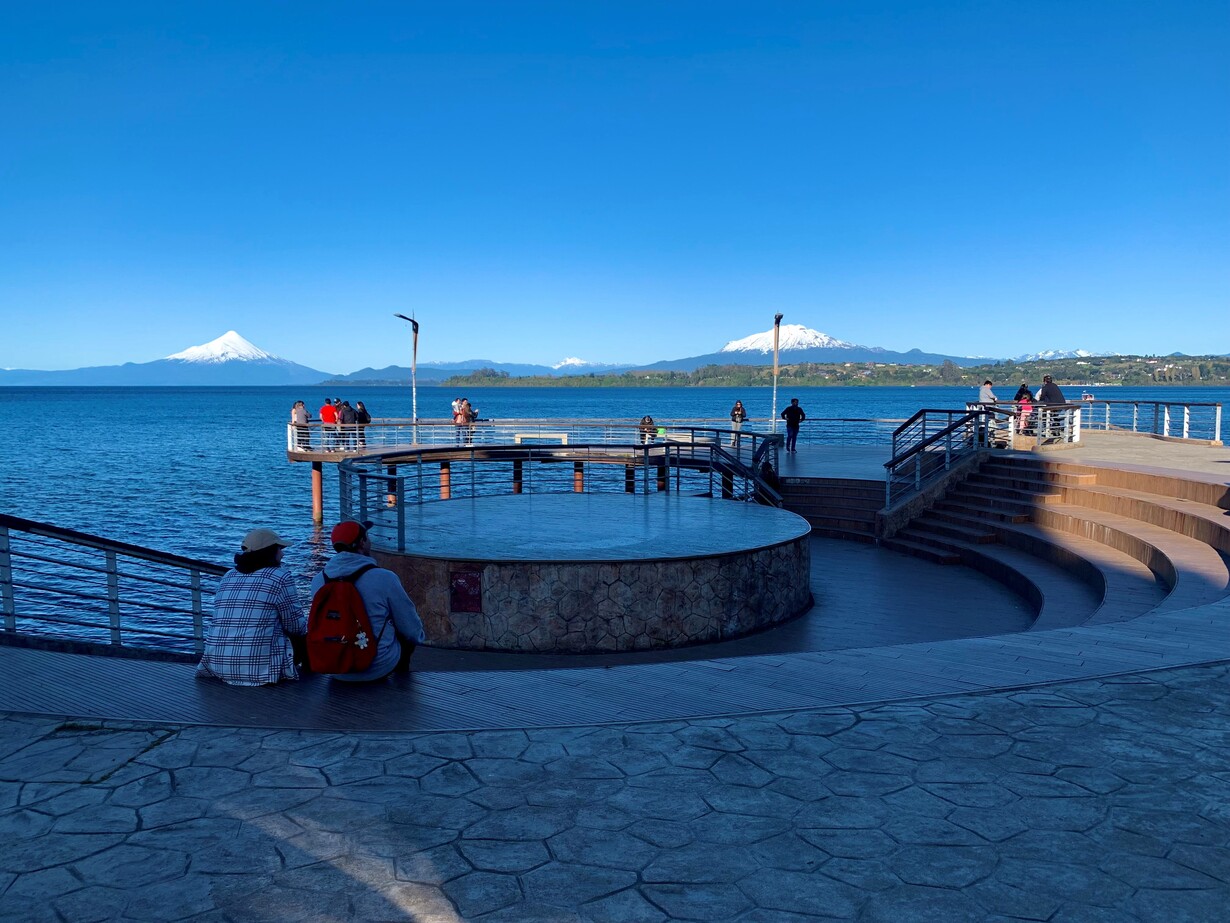
Aim of the programme
Regional studies and regional planning deal with the analysis and solution of spatial problems, primarily at the regional level. The specific regional studies and regional planning problems in developing or emerging countries form a key focus of the programme.
The educational objective of the Master's programme is to enable graduates to identify and analyse specific regional science problems. In addition, graduates should be able to develop and implement appropriate spatial planning solutions. To do this, they need knowledge of regional science and its fundamental sciences of ecology, economics and sociology, as well as knowledge of the tools for analysing regional structures, developments and land use conflicts.
Topics such as nature conservation and disaster control, the consequences of climate change, such as the threat to biodiversity, and the effects on humans and their habitats are all subjects of regional science. Spatial development must also take social and economic challenges into account in order to help shape suitable solutions for a sustainable and socially acceptable future.
Learning conditions and learning environment
The IfR's Master's programme in Regional Science/Spatial Planning trains graduates from all over the world, particularly for work in developing and emerging countries. The intercultural teaching and learning atmosphere within the programme promotes teamwork and creativity among graduates and offers them the opportunity to establish international contacts for their future careers while still studying.
The professional and individual support of the multicultural group of students is important to us. Therefore, the learning groups are small and the support provided by teachers is intensive. This not only enables successful studies, but also a pleasant study atmosphere.
The high quality of teaching in the Master's programme is also reflected in the KIT-wide teaching evaluations, in which the courses offered in the Master's programme in Regional Science/Spatial Planning are regularly voted the best by students.
Target group
The Master's programme is aimed at graduates with a university degree in a Bachelor's or Master's programme in a subject relevant to spatial planning. They are active in regional development in the regions of the global South or wish to be in the future. After completing the Master's programme in Regional Science, you will mainly work in government agencies, but also in non-governmental organisations (NGOs), consulting firms, research and training institutions, or development cooperation organisations.
Subjects relevant to spatial planning include, for example:
- Spatial or urban planning
- Urban development
- Environmental planning, environmental protection
- Geography
- Ecology
- Sociology
- Economics
- Agriculture and forestry
Other relevant degree programmes are also possible. Please feel free to contact us!
A keen interest in developing country research, development cooperation, environmental protection and environmental planning or disaster prevention, as well as practical experience in the above-mentioned fields of activity, are welcome. We cultivate a scientific and critical mindset, openness to the world and initiative.
Course structure
Please refer to the relevant module handbook for the course structure for each year group.